Being at breath| NewImages Festival 2026
As part of the Résonances art-science project, the fifth theme explores the many dimensions of breath through a collaboration with the European project V|LF-Spiro3D and the NewImages Festival, which will take place from April 7 to 12 at the Cité des Sciences et de l’Industrie. For this occasion, exhibitions and a variety of talks, presentations, and workshops will be organized.
The program associated with Being at breath promises to be rich and will unfold over four days - April 8, 9, 10, and 11 - bringing together numerous artists, scientists, and other practitioners working on breath and respiration. The art-science installations will remain on display until April 17.
See below for the detailed program and profiles of the speakers who will contribute to these discussions.
.png)
Being at breath| Cité des Sciences et de l'Industrie
Installations
Everything goes
[Concept] Ikse Maître
[3D real-time rendering] Matthieu Courgeon
[Drawings and 3D graphics] Sophie Larger, Gaële Misiak
[Music composition] Vincent Hulot
[Physiological signals] Adrien Duwat, Tim Schneider
[MRI data] Adrien Duwat
[Pulmonology] Hélène Salvator
[Physical medicine and rehabilitation] Nicolas Barizien
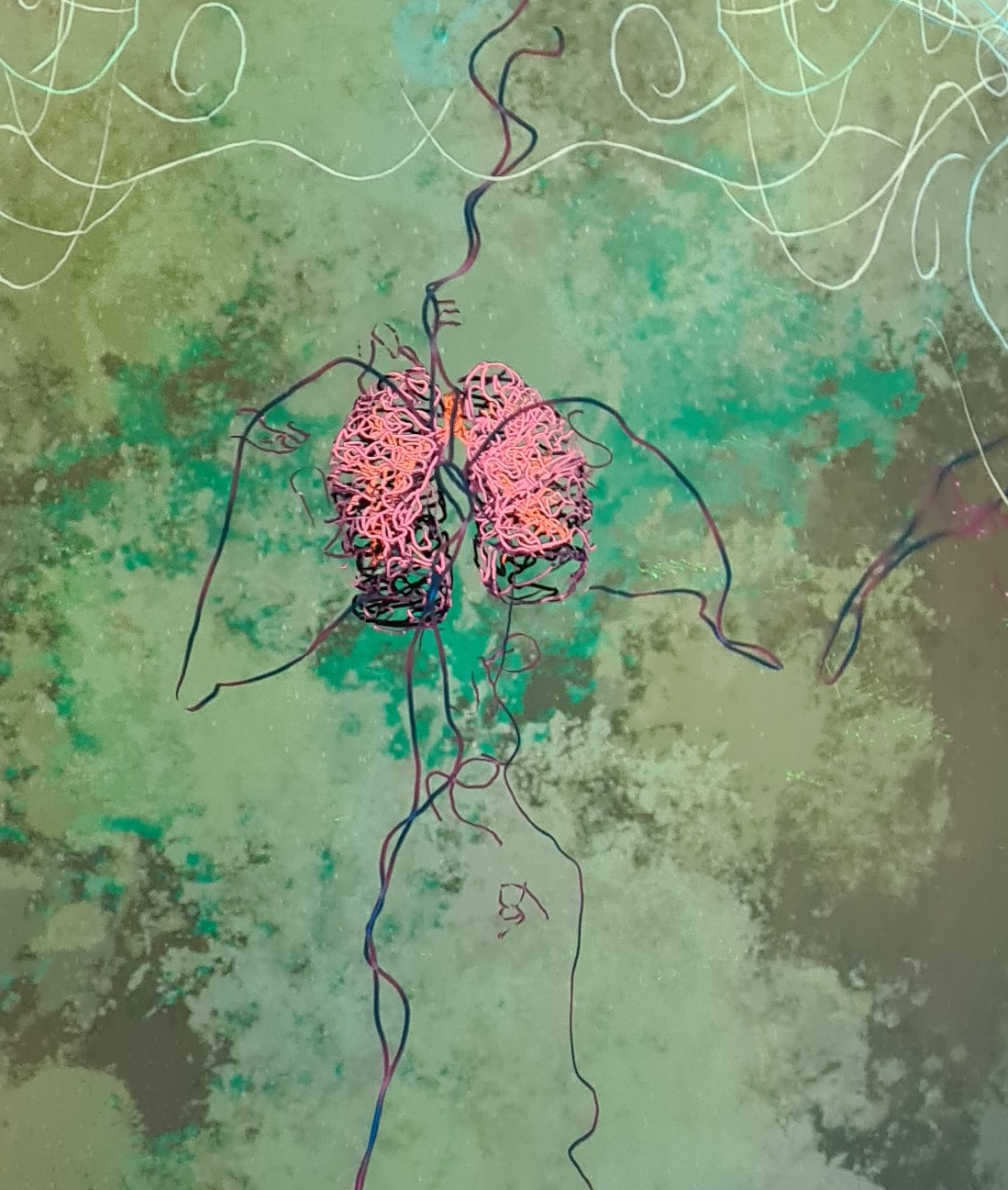
The first breath expels the liquid in which life developed to let the air go. In and out. Regularly and surprisingly along more than half a billion times in a human lifetime. Most of the time, most people do not pay attention to it. Breathing is autonomous and goes its way. Silently. The air goes in and out. Discretely. Everything goes is a behavioural work in which the three-dimensional reflection of visitors' features reveals their lungs breathing and air passing through their bodies. Tout passe is a mirror augmented by visitors’ respiratory rhythms, who appropriate them and could play with them. Everything goes is a testing ground for the influence of this virtual self on our own behaviour by attaching itself directly to our physiology, where everything goes.
Discover more
The Sound of the air
[Concept] Ikse Maître
[Real-time graphic rendering] Matthieu Courgeon, Déborah Lebert
[Drawings and 3D graphics] Sophie Larger, Gaële Misiak
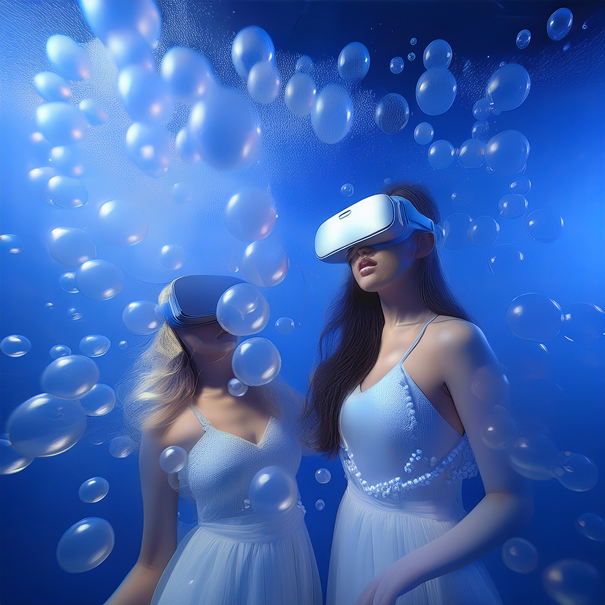
Without us really knowing it, without willing it, a couple of sextillion diatomic nitrogen, diatomic oxygen, argon, water and carbon dioxide rush into our air highways every few seconds, before dashing away from us a few seconds later. We do not see it. Usually, we do not feel it. We barely pay attention to the life cycle of breathing. But as long as we live, we breathe. Something like a billion times. Breathing sounds smooth and soft. But then we sigh, we cough, we snore, we gurgle, we whistle, we squeak, we crackle, we rale, we rub, we sniff. Here, you will hear all that and you will see the air through you. The air around. Around the Earth. The air we all share. The air still goes in and out. As long as you live.
Perturbatio
[Concept] Charles Ménard-Wendling
[Concept & developpement] Tim Schneider

Perturbatio is a participatory installation that explores the breathing of ecosystems and cities. It seeks to highlight the cumulative effects of individual and collective actions on the respiratory balance of living organisms and urban environments. The public is invited to change scale and connect ordinary gestures to broader phenomena, such as air quality, biological cycles, and urban rhythms. The installation offers a reflection on our place in complex respiratory systems, which are at once natural, technical, and social. Cities, like ecosystems, function through the continuous exchange of flows—air, matter, energy—whose balances remain fragile and constantly evolving. The term perturbatio refers to the introduction of irregularities into a system. In the case of the respiration of natural and urban environments, these variations are part of the normal functioning of living organisms. But when they exceed certain thresholds or become prolonged, they can degrade living conditions and have a lasting impact on ecosystems, cities, and the populations that inhabit them. Through this installation, Perturbatio highlights the diffuse, cumulative, and collective nature of the respiratory transformations linked to the ecological crisis.
Discover more
Being at breath| Cité des Sciences et de l'industrie
Program
Wednesday, April 8, 2026| Carrefour Numérique - Agora
16:30-17:00
Imag(en)ing the interior body
Jenny Slatman [Tilburg University]
The history of medical imaging techniques in art and visual culture. Exploration of the impact this has had and continues to have on the way individuals perceive their own body. By drawing on approaches from cultural studies, science and health, we analyse how these images influence interactions between patients and healthcare professionals, and contribute to a reconfiguration of contemporary bodily imaginaries.
17:00-17:30
Catching breath: (not so) medical images of the lungs
Irene Groenevelt [Tilburg University]
The lungs are the only organ over which we have such ready control. Therefore, medical images of the lungs are expected to promote self-recognition. However, different visual representations of the lungs, such as an X-ray of a pin-up model or a chronological sequence of MRI scans of the thorax, can produce contrasting experiences.
17:30-18:30
Tout passe: medical imaging, self-image
Sophie Larger [Ensad] | Ikse Maître [Université Paris-Saclay]
Art and science implicitly rely on fundamental human resources that are integrated into the creative process of discovery. By following the art-science research project around Tout Passe, we will follow the underlying surprises that such a project brings to its participants and the public. Based on shared serendipity, these surprises can lay the foundations for a rich and lasting scientific and artistic culture.
Thrusday, April 9, 2026 | Carrefour Numérique - Agora
10:30-12:00
Presentation: 3D real-time digital cuisine
Mâa Berriet
A few 3D real-time engines are available to create digital immersive and interactive installations. We will go through hardware tools and software recipes to qualify meals that creators can make out of them.
Friday, April 10 | Carrefour Numérique - Agora
10:00-11:30
Presentation: 3D real-time programming with AAASeed
Mâa Berriet
AAASeed is one of the few opensource 3D real-time engines are available to create digital immersive and interactive installations. We will go through the possibilities AAASeed offers.
Saturday, April 11, 2026| Carrefour Numérique - Agora
11:30-12:30
Réespiration: physiological abstraction, visualisation and concretisation of breathing
Samuel Bianchini [Ensad] | Thomas Similoski [APHP, Sorbonne Université]
Réespiration explores the interactions between humans and machines, based on respiratory empathy. This will allow a breathing abstraction to match the visitor's breathing rhythm. The obvious identification is removed and the interaction reduced to the essence of its physiological features;
17:30-18:30
Round table on "Formations dans l'immersif"
Université Paris 8 | Ensad| Université Paris-Saclay
Speakers

Ikse Maître
Ikse|Xavier Maître is a physicist and researcher at the CNRS at the Paris-Saclay Multimodal Biomedical Imaging Laboratory (BioMaps, CEA, CNRS, Inserm, Université Paris-Saclay). His early research focused on the foundations of quantum mechanics as well as the mechanisms of quantum entanglement and decoherence. Today, he combines atomic physics and medical physics to develop new tools for exploring the human body. He coordinates the European innovation project V|LF-Spiro3D, which focuses on 3D magnetic resonance spirometry.
Ikse Maître founded the science-art-society group Le sas, within which he conducts art-science research based on unconstrained human-machine interaction. He develops art-science experiments and draws on shifts in reality to test our relationships with the world and engage the public. He also coordinates the work on immersive technologies for the European cultural heritage project Artcast4D and explores the keys to immersion in public space at the Forum des Images through the installation Ariadne’s Fibres.
Sophie Larger
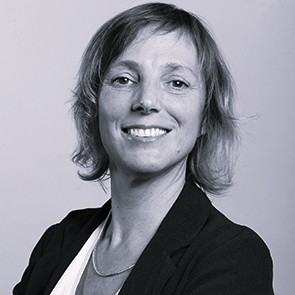
Sophie Larger, a designer and PhD in Design from SACRe - PSL, is a faculty member and researcher at the École nationale supérieure des Arts Décoratifs de Paris-PSL, head of the Symbiose research group at EnsadLab, and co-coordinator of the Vulnerabilities and Capabilities Chair. Her research explores design and the aesthetics of healing in psychiatric settings, examining the sensory dimensions of the care experience. Through the design of experimental devices, her work aims to restore therapeutic spaces as heterotopias capable of transforming perceptions, emotions, and relationships. Her transdisciplinary approach integrates design, phenomenology, psychoanalysis, and care practices, focusing on transitional objects and spaces as vehicles for a readjustment of lived experience.
Photo credit : Beryl Libault
Jenny Slatman
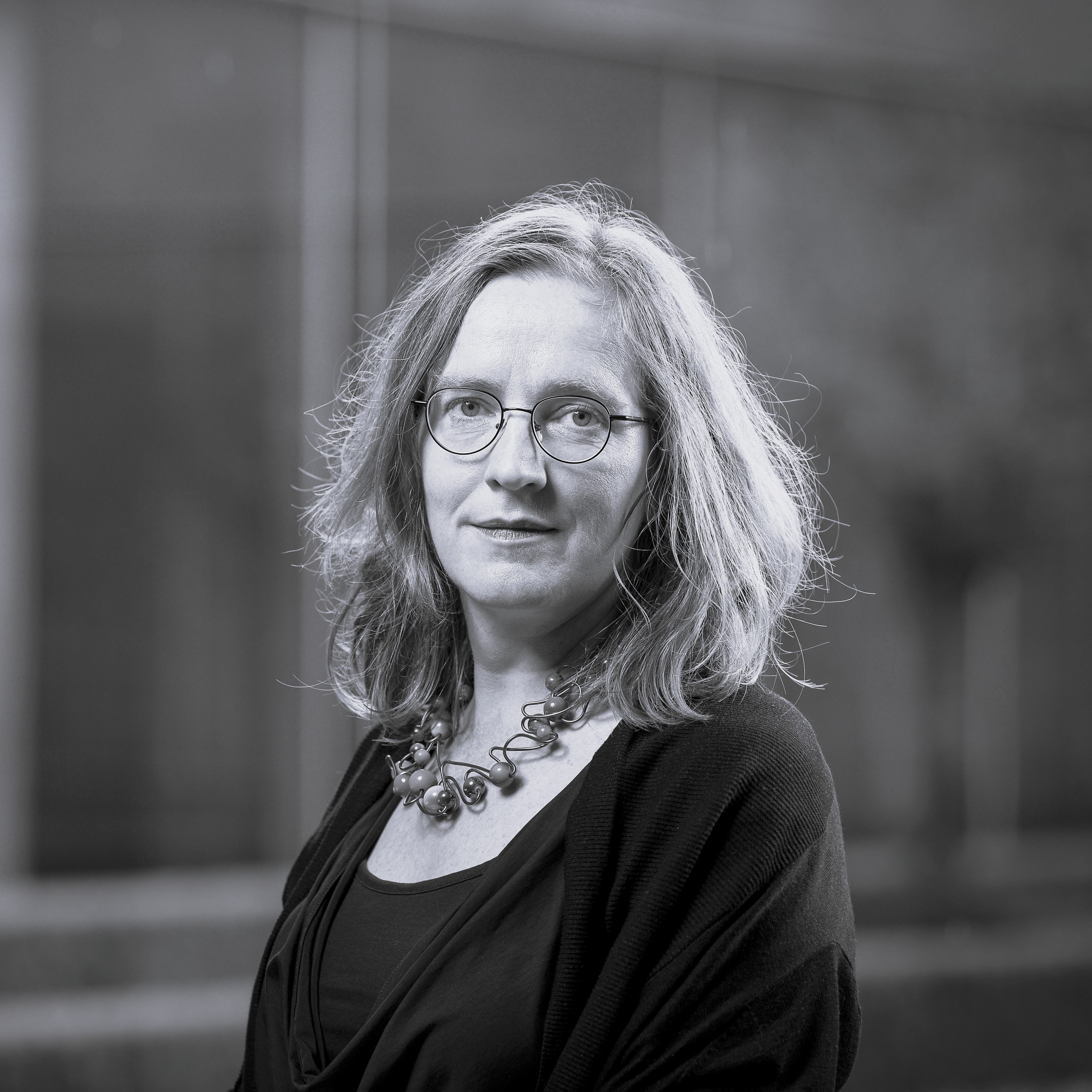
Jenny Slatman is a professor of philosophy of medicine at Tilburg University in the Netherlands. She has published numerous articles on the role of the body and corporeality in art, expression, and contemporary medical practices. Her publications include a French monograph on the meaning of expression: *L'expression au-delà de la représentation*. On Aisthêsis and Aesthetics in Merleau-Ponty (Paris, 2003); an English-language monograph, *Our Strange Body: Philosophical Reflections on Identity and Medical Interventions* (Chicago, 2014); and a Dutch-language monograph on *Nouvelle corporalité – Nieuwe Lichamelijkheid* (2023), for which she received the Hypatia Prize. She has received several research grants from the Netherlands Organisation for Scientific Research (NWO): Bodily integrity in blemished bodies; Mind the Body: Rethinking embodiment in healthcare. Since 2023, she has been participating in the V|LF Spiro3D research consortium, led by Paris-Saclay University.
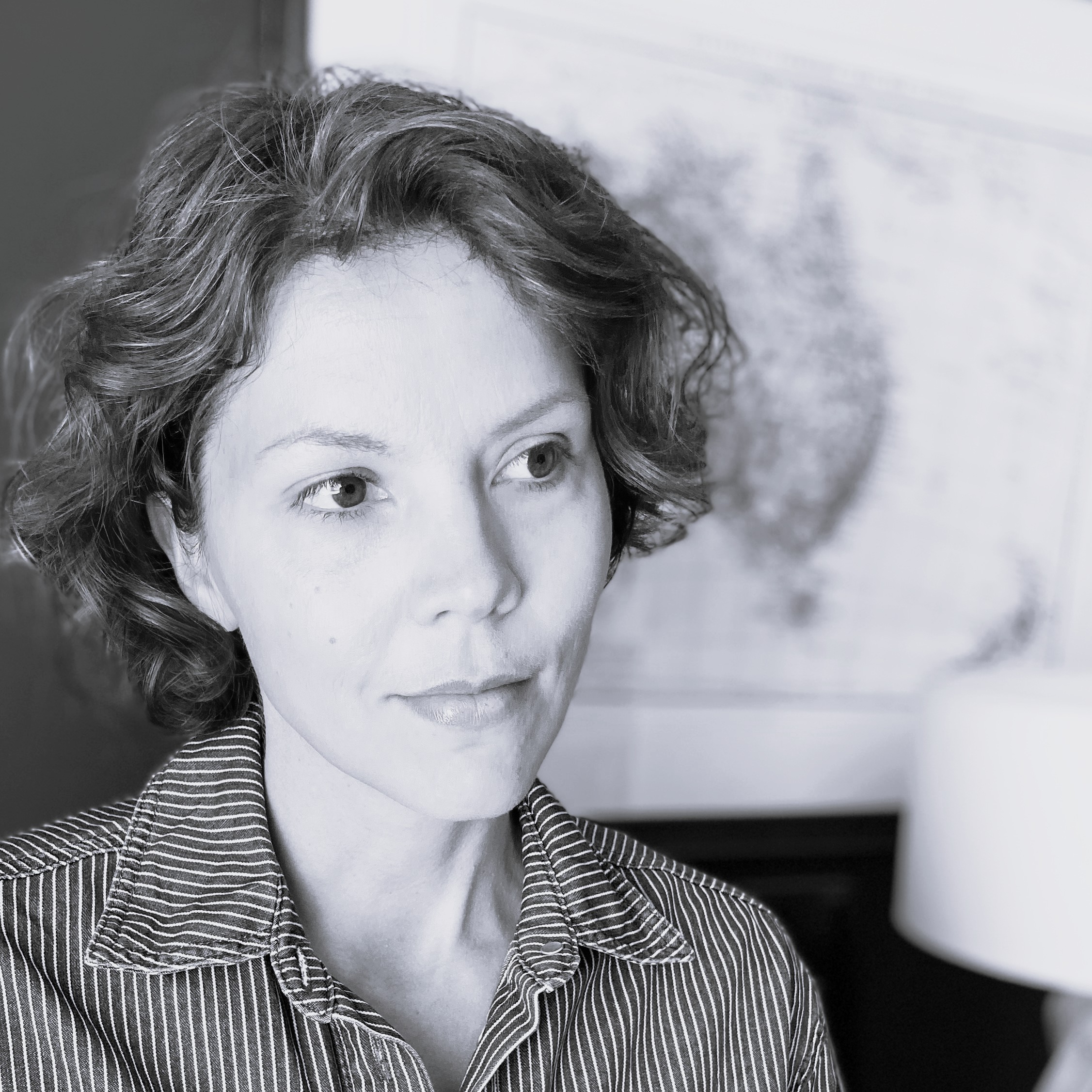
Irene Groenevelt
Irene Groenevelt is a postdoctoral researcher who studies experiences of health and disease, with a particular focus on how people think about, talk about, and experience themselves and their bodies through interactions with new technologies. Her current research explores how people—including children—make sense of their experiences and their bodies as they interact with medical technologies and their visual output, including lung function testing and MRI imaging. She also examines the implications of emerging techniques such as 3D MR spirometry for how the body is experienced, understood, and enacted in clinical settings and beyond. Her work employs qualitative methods, including ethnography, semi-structured interviews and drawing assignments. It uses conceptual frameworks from medical anthropology, phenomenology, and Science and Technology Studies. Her research has been published in leading peer-reviewed journals, including Body & Society, Social Science & Medicine, and Medical Anthropology.
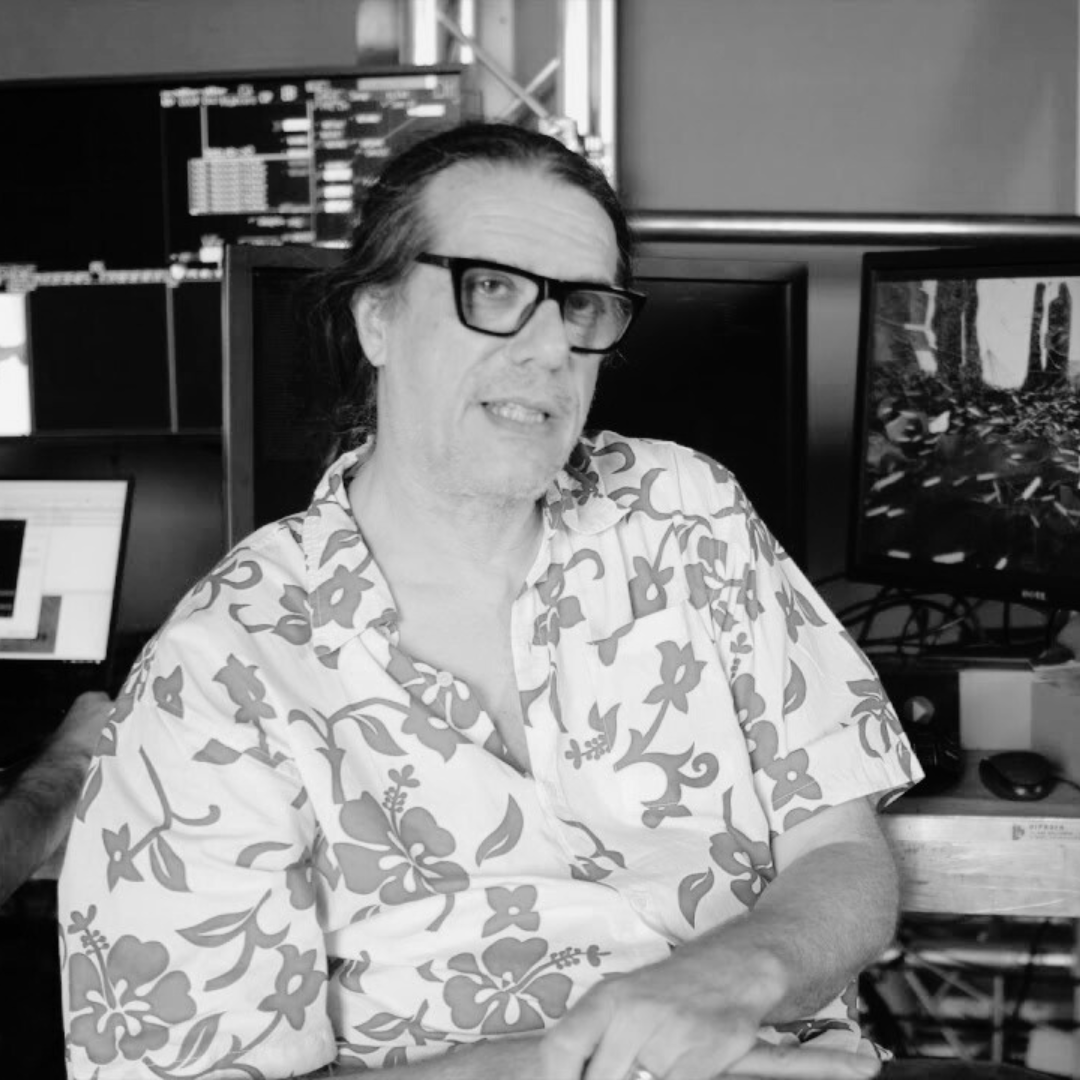
Mâa Berriet
Emmanuel Mâa Berriet is a mechanical and electrical engineer and a digital pioneer who has been passionate about coding and 3D since the 1980s. Born in 1961 in Algiers, he began exploring 3D on Silicon Graphics workstations and, from the very beginning, devised innovative, low-cost solutions, leading to the creation of AAASeed, a versatile software for real-time immersive creation. As a digital artist, he has transformed technologies such as Kinect into interactive experiences, blending art, technology, and science to blur the lines between the real and the virtual.
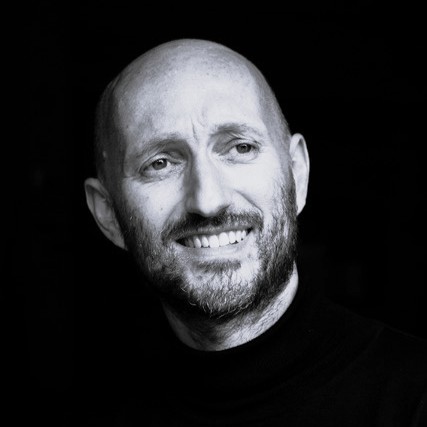
Samuel Bianchini
Samuel Bianchini is an artist and faculty member (with the authority to supervise research) at the École nationale supérieure des Arts Décoratifs (EnsAD) - Université Paris Sciences et Lettres (PSL), where he leads the Reflective Interaction research group at EnsadLab (the EnsAD laboratory) focusing on interactive systems, and where he also served as co-director, from 2017 to 2023, of the Arts and Sciences Chair established in collaboration with École Polytechnique and the Daniel and Nina Carasso Foundation. He is a member of the SACRe (Sciences Arts Création Recherche - EA 7410) research team at PSL and is involved in the associated doctoral program, for which he supervises doctoral students in art and design. He lives and works in Paris. With over 100 group exhibitions and 20 solo exhibitions, his works are regularly exhibited in Europe and around the world.
In close connection with his artistic practice, Samuel Bianchini has undertaken theoretical work that has resulted in frequent publications. He has published over 70 texts with publishers such as Éditions du Centre Pompidou, Éditions Jean-Michel Place, MIT Press, Analogues, Burozoïque, Hermes, Les presses du réel, Springer, Birkhäuser, and others. As an author, editor, or co-editor of books, he has published seven books, including, in collaboration with Erik Verhagen, the seminal collective work *Practicable*. From Participation to Interaction in Contemporary Art, Éd. MIT Press, 2016. Il a également fondé la revue internationale visuelle multi-supports .able éditée par Actar (Barcelone, New York) et lancée en mars 2023, dont il est actuellement le rédacteur en chef.
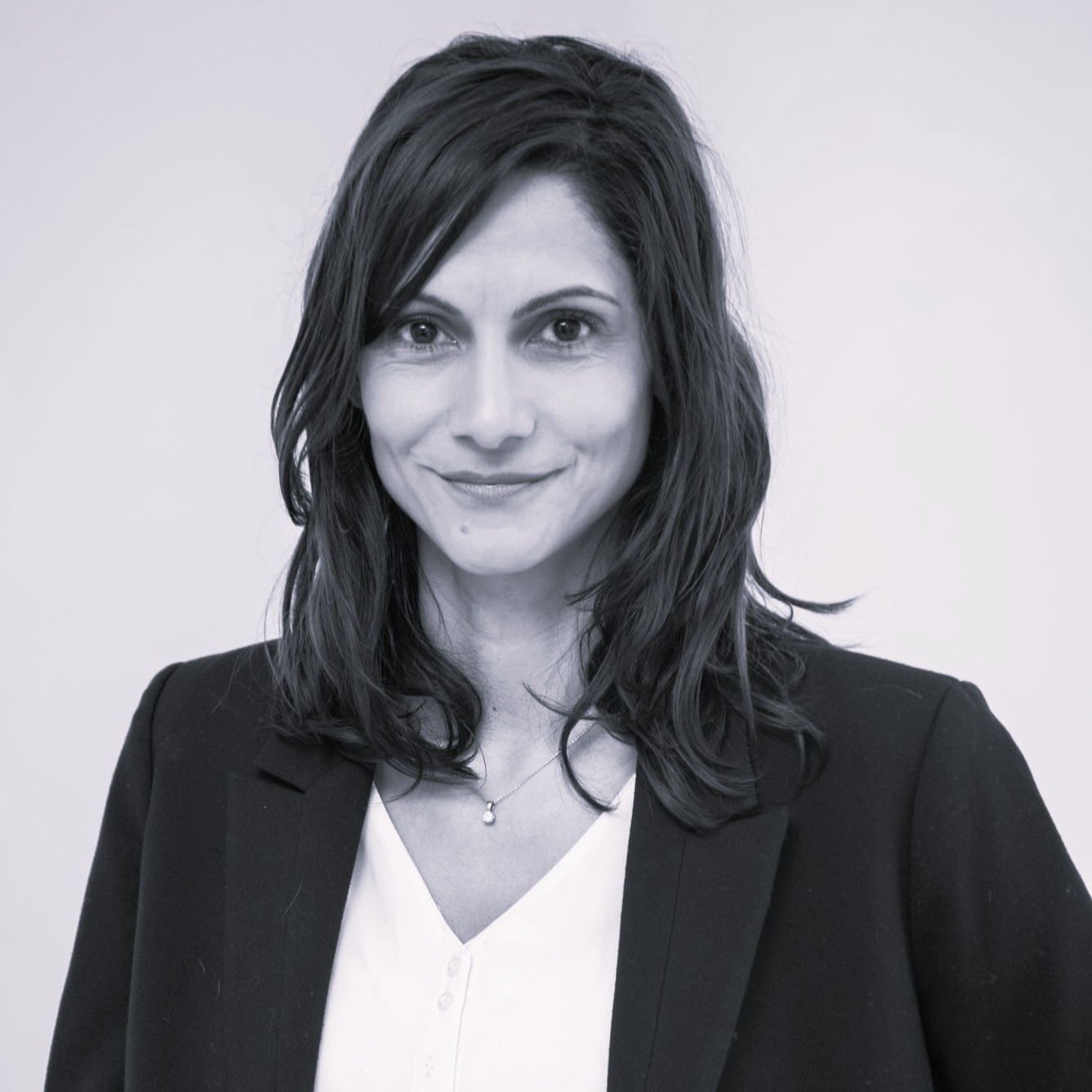
Laure Serresse
Laure Serresse is a physician specializing in palliative care. She practices at Pitié-Salpêtrière Hospital (AP-HP) and is an Associate Professor in palliative medicine at Sorbonne University. She is also a researcher within the UMRS 1158 research unit (Inserm), where she conducts work at the intersection of clinical practice, biological sciences, and the humanities. Her research focuses in particular on dyspnea, a common symptom in chronic and advanced diseases that remains insufficiently recognized and managed, despite its major impact on quality of life. In this field, she investigates the pathophysiological mechanisms, patients’ subjective experiences, as well as the relational and social issues related to breathing and its alteration. She is the initiator of the FHU BREATH program, a hospital-university federation dedicated to the study of dyspnea. This project brings together expertise in medicine, neuroscience, social sciences, robotics, and the arts, within a distinctly transdisciplinary framework. Structured around several axes (management strategies for persistent dyspnea, therapeutic innovations, impact on empathy and the care relationship, sociocultural dimensions, and interactions between breathing, perception, and creation), FHU BREATH aims to renew analytical and intervention frameworks around this symptom. By combining fundamental research, clinical practice, and the humanities, Laure Serresse contributes to shaping an integrated approach to dyspnea, attentive to its physiological, psychological, and social complexity. Her work is part of a collaborative dynamic at both national and international levels, aiming to advance knowledge, practices, and training in this field.