Upon a receding sky
Collective art-science exhibition
From the infinitely large to the infinitely small, scientific modernity has sought to illuminate everything, to make everything clear and measurable, to the point of making "the sky recede." Yet, beneath this new sky, the world's opacity has not vanished.
This contemporary blur is no longer the pre-modern chiaroscuro (religious, metaphysical), but persists in epistemic, environmental, and social uncertainty. An unknown that science continues to produce as it advances, and that art continues to reveal by shifting our gaze.
Therefore, while modernity has caused the sky to recede, it has not left it empty. Upon a receding sky is a collective exhibition that explores these uncertain territories. Much like a cinematographer playing with focus, it alternates between the sharp and the blurred, clarity and darkness, to disrupt our certainties and open up new spaces of perception. It is precisely within these lingering shadows that the most vivid questions and the most fertile artistic and scientific approaches are born.
%20(1)%20(1).png)
The gathered works explore this new celestial map across various scales and dimensions. First, by renewing our attention, whether by magnifying the imperceptible diversity of the living world in L’Air du pollen by Béatrice Albert, Nadia de Bernardi, Vincent Hulot, Tim Schneider & Ikse Maître or through the striking awe triggered by the northern lights in Flammes du renard du Nord by Sami Korhonen.
Next, by embracing a new relationship with confusion and instability : epistemic instability in the hesitation between the sensory and the intelligible in 914 m by Charles Ménard, biological instability in the contamination and intimacy of Cosmologie Virale by Marie Truffier or the political instability of harmful new ontologies and geo-engineering with the OuCliPo controversy by Mariejulie Bourgeois.
Ultimately, it is the responsibility of the gaze that is at stake, the gaze that dilates light in space with Redshift by Tim Schneider and the one we cast upon the environmental traces and resonances of the past and present in Where the sun never sets by Élise Morin.
The exhibition Quand le ciel recule (Upon a receding sky) is part of the Résonances art-science Paris-Saclay project. It is accompanied by a program of gatherings, readings, and site-specific performances where artists, scientists, and the public come together to collectively explore the transformations of our relationship with the world and these new contemporary skies. Wilde - Le Lieu will serve as an ecotone, a transition zone between two ecosystems : Paris and Université Paris-Saclay. At the Académie du Climat, alongside the opening reception and throughout the duration of the exhibition, various events will extend these reflections : lectures, performances, and open discussions for all, firmly rooted in today's urban and civic debates.
Collective exhibition : Béatrice Albert, Charles Ménard, Elise Morin, Ikse Maître, Mariejulie Bourgeois, Marie Truffier, Nadia de Bernardi, Nicola Lorè, Sami Korhonen, Tim Schneider, Vincent Hulot.
Wilde - Le Lieu
Upon a receding sky is hosted by Wilde - Le Lieu from July 1st to 12th, 2026. Located in the Marais in Paris, this atypical art space between calm and raw elegance, between old stone, steel, brick, and wood, has here taken the form of a terrain for transdisciplinary creation. With its 210 m² spread across 6 connecting rooms over 2 floors, Wilde combines authenticity and style. Its vocation is to be a « place of encounters, nomadisms, and humanities where nature, culture, and the economic world are invited together to invent other possibilities… » in the words of its founder and curator, Florent Mabilat, himself a painter.
L'Académie du Climat
In continuity with the exhibition, the Académie du Climat hosts part of the programming, notably the art-science coupling day and many other activities such as film screenings, workshops, and round tables. The Academy is located in the former City Hall of the 4th arrondissement, Place Baudoyer, at the heart of Parisian life. The building is divided into several thematic spaces where collaborations and activities take place. It was founded by the City of Paris with the goal of raising awareness and uniting young people around climate justice to achieve a fair and supportive ecological transition.
The artworks
Les flammes du renard du nord
Sami Korhonen
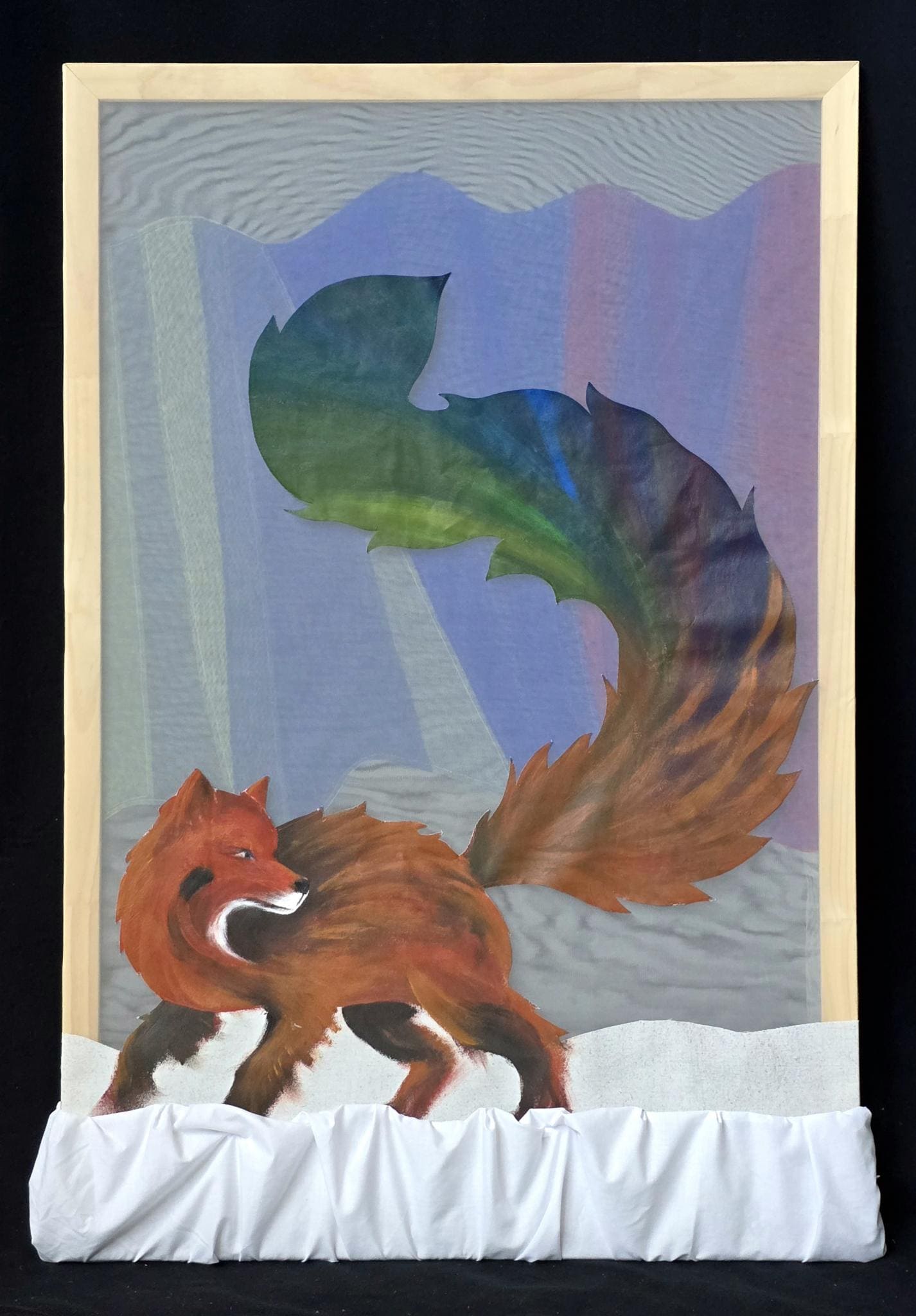
Les flammes du renard du nord assembles translucent painted layers that, through superposition and permeability, compose a chromatic field evoking the northern lights, not to reproduce their science, but to borrow their mechanics : invisible forces that, by interacting, produce fleeting apparitions. The title deliberately refers to the Finnish toponymy revontulet, literally "fox fires," the traditional name for the auroras stemming from the folk belief that a fox with sparkling fur would sweep the snow with its tail, sending sparks into the sky. The fox, a figure of the threshold and of cunning, traverses these layers and leaves behind traces that speak of displacement, fragility, and atmospheric memory. From a distance, the surface reads as a continuous and luminous phenomenon, up close, the gaze discovers gestures, textures, and human interventions – brushstrokes, seams, fraying – revealing the materiality that supports the illusion. Suspended between poetic metaphor and images borrowed from physics, the work questions the receding of our horizons and the way imperceptible forces shape what we call the sky.
Cosmologie Virale
Marie Truffier
.jpg)
A large metal net hosts a viral crowd, earthenware elements absorb and diffuse transformations, cracked cones tell a story. Cosmologie Virale plunges us into a spectral world from millions of years ago, yet whose history still lingers deep within our flesh. In this blurred zone, where it is no longer possible to grasp where the boundaries of things end, processes intertwine and recount the plasticity of those who live, invisible, with, against, and among us. At a time when we must redefine our human existence on earth, « we must take care of our ways of storytelling, because it is the narrative that makes things intelligible, not the right definition », reminds philosopher Isabelle Stengers (Resisting Disaster, 2019). Here, viruses are extracted from warlike narratives of contamination to assert their political and feminist power, which quietly undermines all forms of domination. Porous interfaces, gathered scents, and metamorphosed sounds inhabit the space like so many sensitive attempts to care for our imaginations.
914 m
[Conception] Charles Ménard
[Images] Paul Bugsy
[Choregraphic conception and performance] Yu Bai
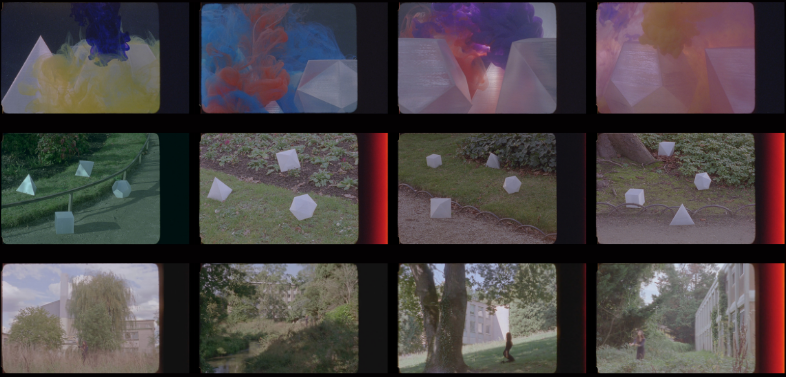
Since Plato, Western philosophy has divided the world into a « sensory realm » and an « intelligible realm ». Like an atlas, 914 m is an attempt to re-map our relationship to the world in light of the ecological crisis and the fragility of the Earth system, by learning, in the words of Bruno Latour, to « inhabit the critical zone », the only place where the conditions necessary for life as we know it exist. 914 m associates this Critical Zone with the Planetary Boundary Layer (also known as the friction layer), which rises an average of 914 meters (3,000 ft.) above the Earth's crust. As the lowest part of the troposphere, this is where most meteorological events catalyze through friction with the Earth's surface. Wind intensity, precipitation, and variations in temperature and humidity are all elements that our senses can immediately perceive. This is the « sensory realm ». Beyond it begins the climate, an infinitely vaster and more complex system made of patterns and regularities that our bodies are far less capable of comprehending without turning to science and abstract reason. This is the « intelligible realm ». Conceived as a triptych shot on exactly 914 meters of 16mm film, 914 m is composed of three films, each exploring a territory of this new ecological condition : Inscription of sciences, Troubled ideals & Grieving Gardens. The film itself is also a boundary layer : a thin, sensitive surface where light rubs against the emulsion, much like the weather against the Earth's crust.
L’Air du pollen
[Ceramic conception] Béatrice Albert, Nadia de Bernardi
[Scenography] Ikse Maître
[Muscial composition] Vincent Hulot
[Numeric development] Tim Schneider
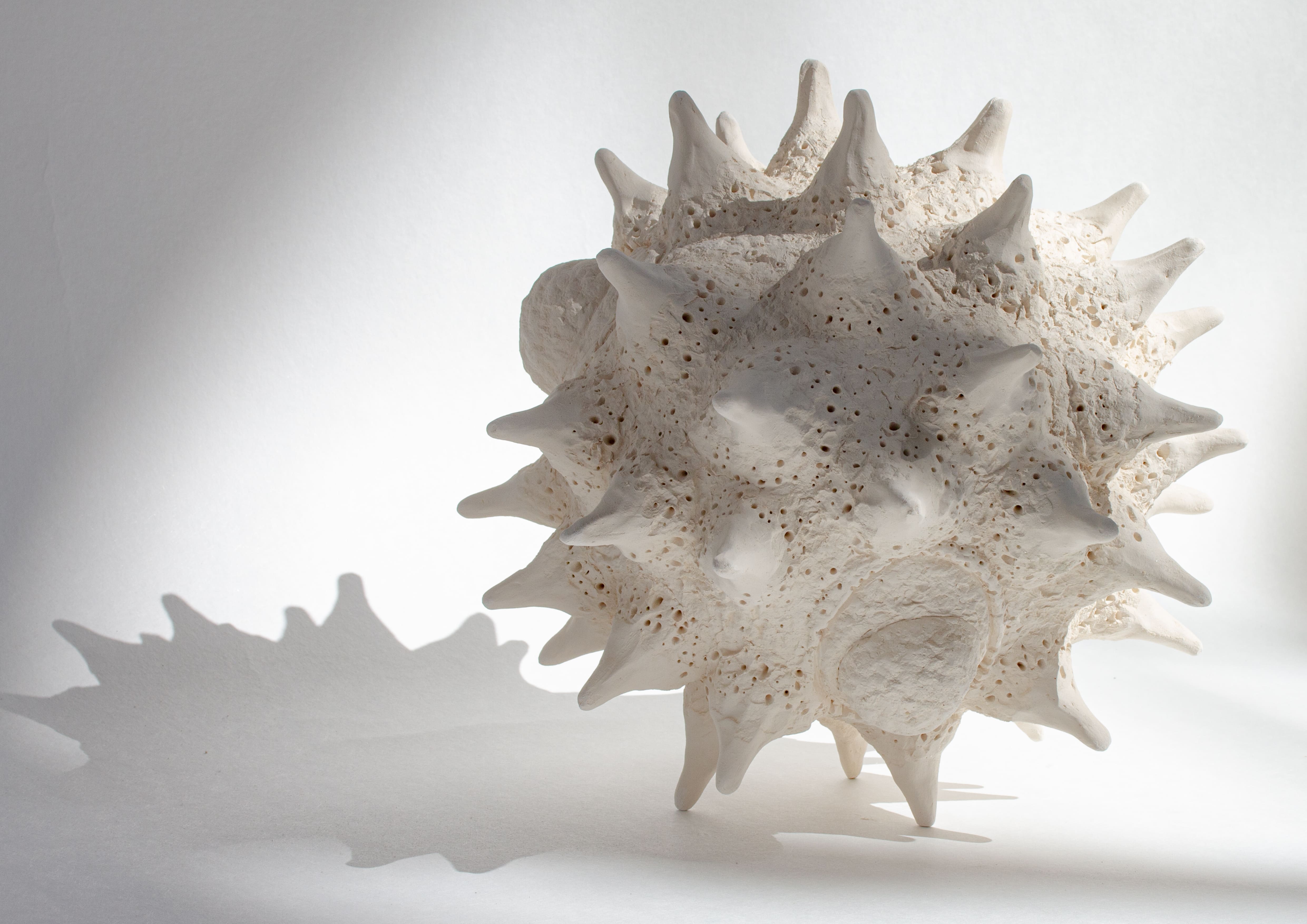
L'Air du pollen is composed here of around a dozen ceramic sculptures suspended in mid-air, representing vastly magnified pollen grains, as if escaped from a celestial herbarium. They appear inert, rigorous, almost scientific, yet they reveal hidden textures and fragile rough edges. Each pollen grain tells a story. Together, they speak to us of biodiversity. The wonder of this unsuspected, microscopic living world questions its own fragility and its future.
OuCLiPo
Mariejulie Bourgois

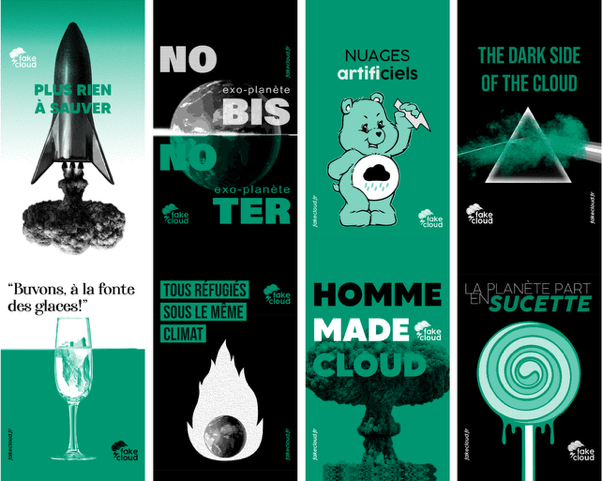
OuCLiPo is a research and creation project that presents the controversy surrounding climate manipulation and solar geoengineering. The Ouvroir de Climat Potentiel (OuCliPo) references literature, surrealist movements, and the College of Pataphysics, introducing wordplay and subcultural elements that hijack scientific and academic codes. These speculative climate fictions engage our beliefs and our desire to find solutions to climate challenges by proposing a narrative based on an existing technology currently being developed across the Atlantic : solar geoengineering.
Various productions are connected to this project :
– Start-up Nubus
– FakeCLoud the artivist collective
Here, they represent two fictitious entities clashing in a war around clouds
Where the sun never sets
[Conception] Élise Morin
[Photography directors] Olivier Banon & Élise Morin
[Sound Creation] Nadège Feyrit & Élise Morin
[Executive production] Alexandrine Stehelin
[Assistants] Isaure Gentit & Margaux Audebert
[Creative technologist] Ferdinand Dervieux
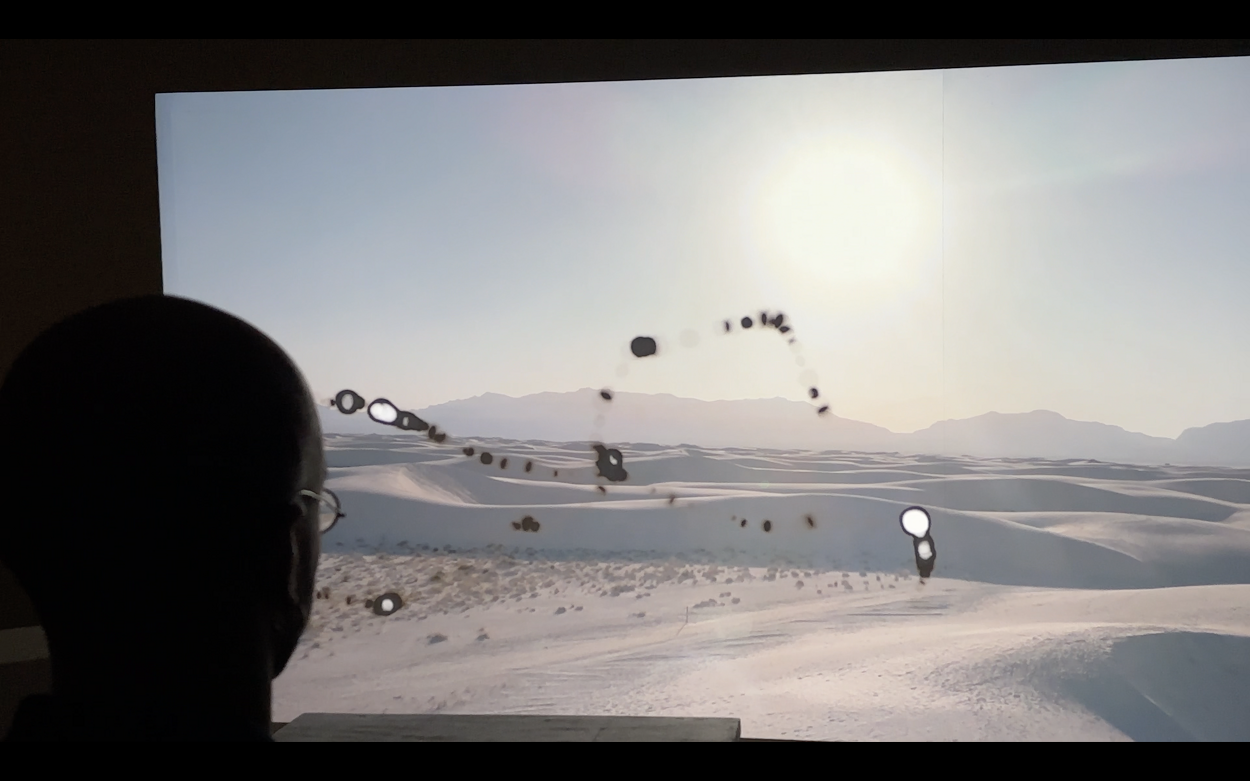
Where the Sun Never Sets invites visitors to traverse a territory where nuclear memory, sky observation, and narratives of resistance intersect. Through the gaze, transformed here into an exploration tool, each person charts their own path through the work. The installation offers a sensory experience of our relationship with radiation – solar, atomic, and cosmic – and the traces it leaves behind in both physical landscapes and collective imaginations. Its challenge is then to experiment with ways of linking the power of the gaze to a plurality of spatialized sound narratives, echoing a specific territory where two suns shine: the 'natural' sun and the one facing it: the artificial sun (the first A-bomb) of the Trinity Site, New Mexico, described as a 'second sun' by J. Robert Oppenheimer.
Featuring testimonies from : Tina Cordova, co-founder of the Tularosa Basin Downwinders Consortium ; Timothy Mousseau, biologist specializing in the effects of radiation ; Katherine, NASA astronaut ; Members of the Tularosa Downwinders community (New Mexico) ; Jim Martinez, specialist in the Chihuahuan Desert ; Joan E. Price, research associate at the Jornada Research Institute and specialist in the Three Rivers petroglyphs.
Redshift
Tim Schneider
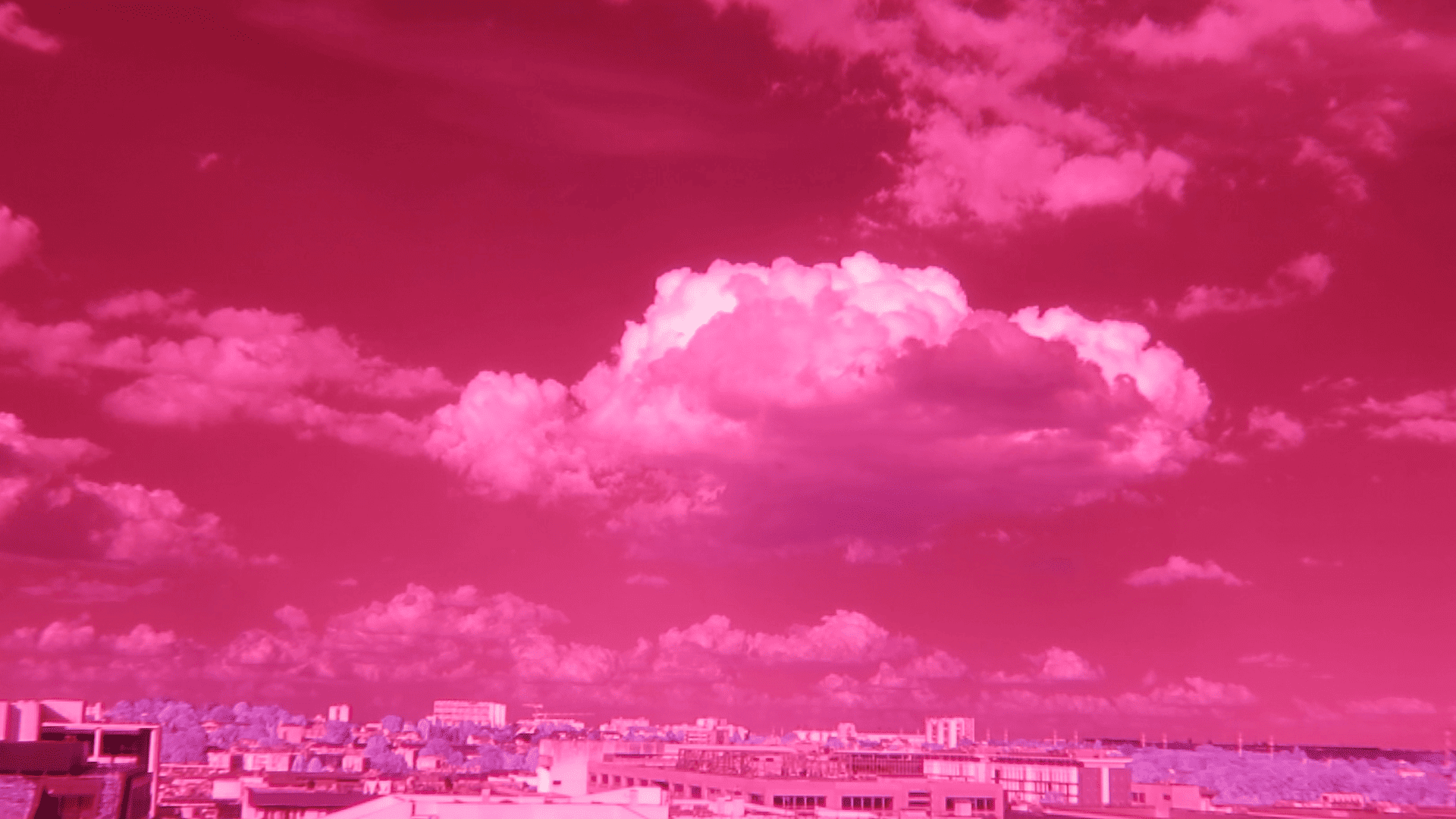
Redshift is an interactive video installation that invites visitors to discover the world as it appears under infrared (IR) light. Presented as a polyptych across a variable number of screens, the work showcases pairs of natural and urban landscapes recorded simultaneously in the visible spectrum (~380-750 nm) and in the near-infrared spectrum (~750-1400 nm). The two videos in each pair blend into one another, with the crossfade rate varying based on the viewing distance : when a visitor stands far from the screen, only the IR image is visible. As they move closer, the image progressively transforms into the corresponding visible-light video. Stepping away reverses the transformation. This color-shifting effect, tied to the relative position and movement between the observer and the observed object, is described by the physics concept that gives the installation its name : redshift.
Art-science coupling day
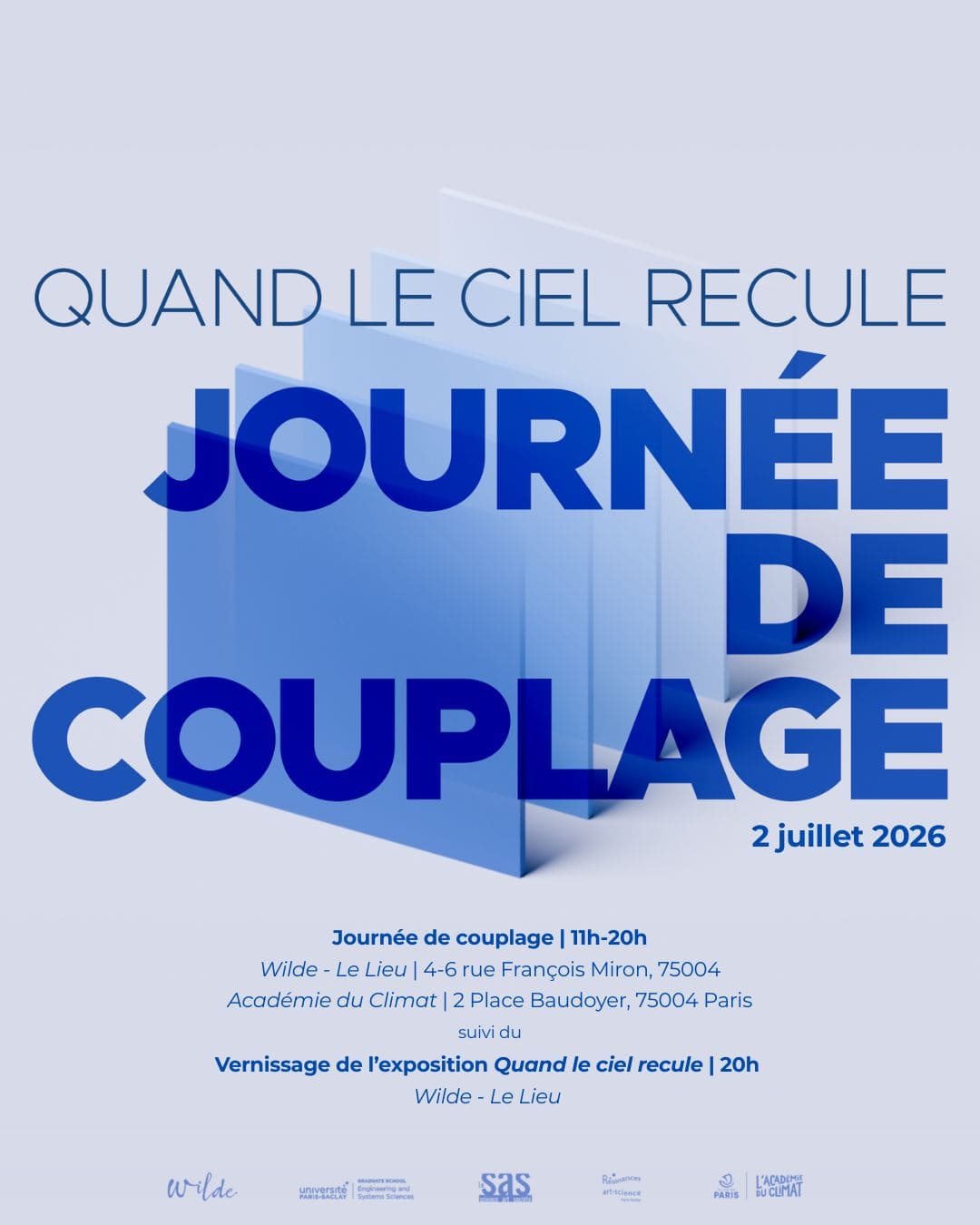
Thursday, July 2, 11h to 20h - FREE|Wilde - le Lieu, 4-6 rue François Miron & L'Académie du Climat, 2 Place Baudoyer, 75004 Paris
Vernissage starting at 20h | Wilde - Le Lieu
As part of the programming for the exhibition Upon a receding sky, the art-science pairing day constitutes a highlight for reflection and exchange. Designed as a privileged space for encounters between artists, scientists, students, and curious members of the public, the event is structured around discussion groups, lectures, readings, performances, and presentations of transdisciplinary works. Its primary vocation is to unite an engaged community at the crossroads of knowledge, to explore the intimate resonances between art and science, to foster unprecedented interactions, and to catalyze the emergence of future collaborations. Click the button below to discover the program and register.
I'm registering for the day !
Programme de la journée
11h - 13h — Upon a receding sky | The artworks at Wilde - Le Lieu
Charles Ménard, Nadia de Bernardi, Béatrice Albert, Tim Schneider, Marie Truffier
Some of the artists and scientists exhibiting at Wilde - Le Lieu present their works and share their creative process with the public. A privileged moment of exchange, discovering Upon a receding sky.
14h - 15h30 — Presentations of art-science works | Académie du Climat
- A Space in Us - research journal | Zéphir Lorne
At the intersection of art, technology, and mindfulness toward lived experience, this presentation opens up an ongoing research journal. Grounded in key insights from cognitive science, it explores and questions how we design and measure experiences. The projects A Space in Us and Réespiration, which invite contemplation and a deeper, more sensory perception of our interdependencies, will illustrate this approach.
- As long as clouds exist // Love and sky on the spectrum | Charlotte Mariel
The screening of excerpts from her two films shot with a thermal camera opens the discussion on using infrared vision as a tool for exploration and reflection on our perceptive limits and the suffering of the biosphere. By observing both the living and the non-living, these films highlight what we hold dear and what connects us to the world.
- Ecological Commitment and Curatorial Approach | Julie Sicault Maillé
Whether in supporting an artistic project or designing an exhibition, we share the same intention : to instill a sense of sensitivity into how we perceive our relationship with living beings and the Earth. By mutually enriching one another, artistic and scientific research interweave to make our belonging to a whole manifest.
16h - 18h — Performance : Make Earth Blue Again
Mariejulie Bourgeois
Nubus offers a solution to global warming : solar geoengineering. This French start-up diffuses blue clouds to cool the sky, in collaboration with the laboratory of pataphysics of fluids. These innovations are distributed to polluting industries, local communities, and individuals. In the form of a lecture-performance, Mariejulie Bourgeois plays on the techno-solutionist imagination and feeds our desires for remediation through a satirical approach to climate issues.
18h - 19h — Exchange | Crisis of the Klíma - Tilt of the Sky and Earth: The Social Mood in a Crisis of Reality
Valérie Masson Delmotte, Jens Hauser ; Moderated by Mariejulie Bourgeois
There is no longer any doubt : the climate-denial machine is fueling the culture war. This new obscurantism sweeps past greenwashing and continues to manipulate public opinion to serve the economic interests of oligarchs. We have reached an ideological point of no return. How can scientists and artists play a role when facing this massive disinformation machine ?
19h-20h - Poetry reading and screening
Sabrina Calvo, Élise Morin
A reading of excerpts from Mais cette vie-là demande. toujours. plus. de. lumière. creates a dialogue between the poetry of Sabrina Calvo and a video projection by Élise Morin, developed in collaboration with Élise Colin. Fed by researches conducted in New Mexico on the « two suns », the images explore the notion of infravie (infra-life), within the uncertain space where perception, signal, and imagination meet.
The events associated to the exhibition
To extend these gatherings around Upon a receding sky, several events will take place :
Saturday, July 4 | starting at 20h, Place Baudoyer, 75004 Paris : open-air danse performance – La Ferme by Olivier Renouf
Monday, July 6 | Académie du Climat
19h - 20h30 : Sublimating the Catastrophe: Fire, Matter, and the Referentiality of the Image – Screening of Lessons of Darkness by Werner Herzog with Giovanni Perolo
20h30 - 21h30 : Ecologies of the Sublime: From Research to Experience with Assim Kalouaz
Wednesday, July 8 | Wilde - Le Lieu
Apéro art & ecology
19h - 20h : Screenings of As long as clouds exist & Love and the sky on the spectrum by Charlotte Mariel
Starting at 21h : Musical performance Sounding - de la ligne Kármán à zéro by Filippo Fabbri
Saturday, July 11 | Wilde - Le Lieu
Starting at 19h : Restitution of Stéréo-drama 1 - Il y a cent mètres entre mes deux oreilles by La Plaine
Starting at 20h : Finissage
La Ferme — 4/07/26, 20h, Place Baudoyer, 75004 Paris
Olivier Renouf
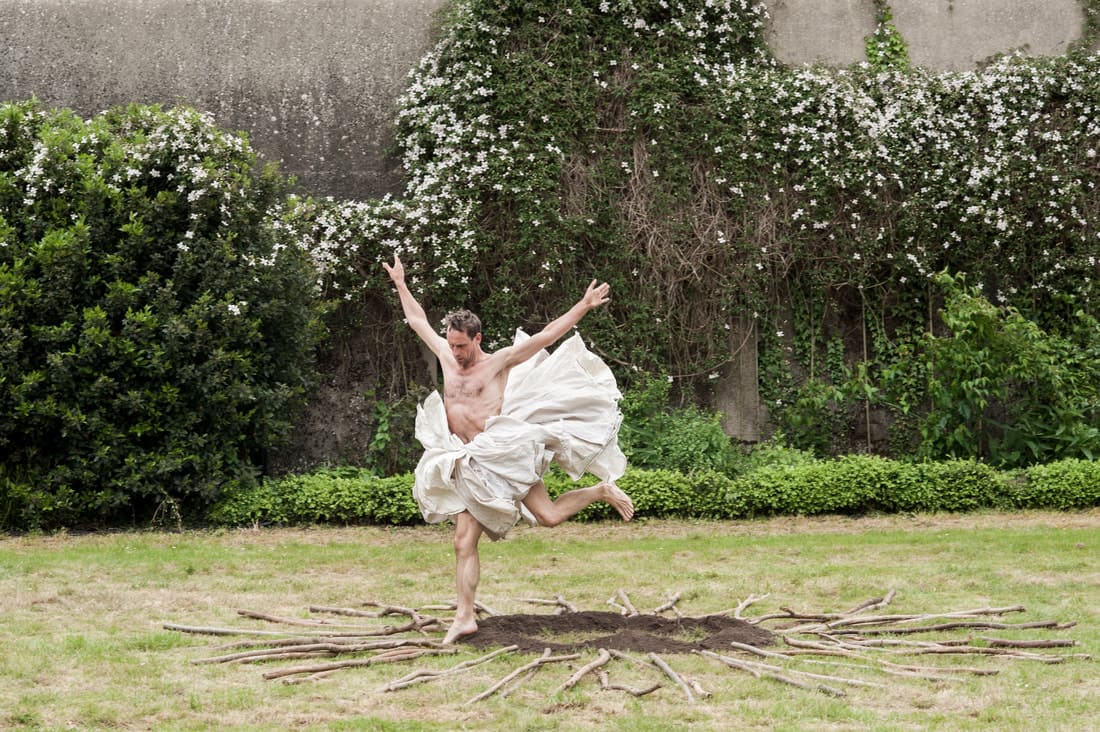
« How can I silence this place where I lived until I was twenty, which founded my being and my attachment to the earth—'this primal world that I will leave, and that will not leave me,' to borrow the words of Marie-Hélène Lafon. Returning to the roots, to transcribe through dance this place of building, labor, and communion with nature. This is a choreographic installation from which emerge dances, movements tied to toil, singular life stories, fragments of memory. At times man is at work, at times he is captured like a figure within the landscape. There are sensations, sedimented gestures of working the land, I do not seek to illustrate them but rather to evoke them, transforming them into danced gestures, into choreography, thus immortalizing through art this disappearing knowledge. This title can be understood in a double sense : an evocation of the agricultural world seen through a child's eyes, and an injunction of silence imposed upon the farming community. »
Sublimating the Catastrophe: Fire, Matter, and the Referentiality of the Image – Screening of Lessons of Darkness by Werner Herzog — 6/07/26, 19h - 20h30, Académie du Climat, 75004 Paris
Giovanni Perolo
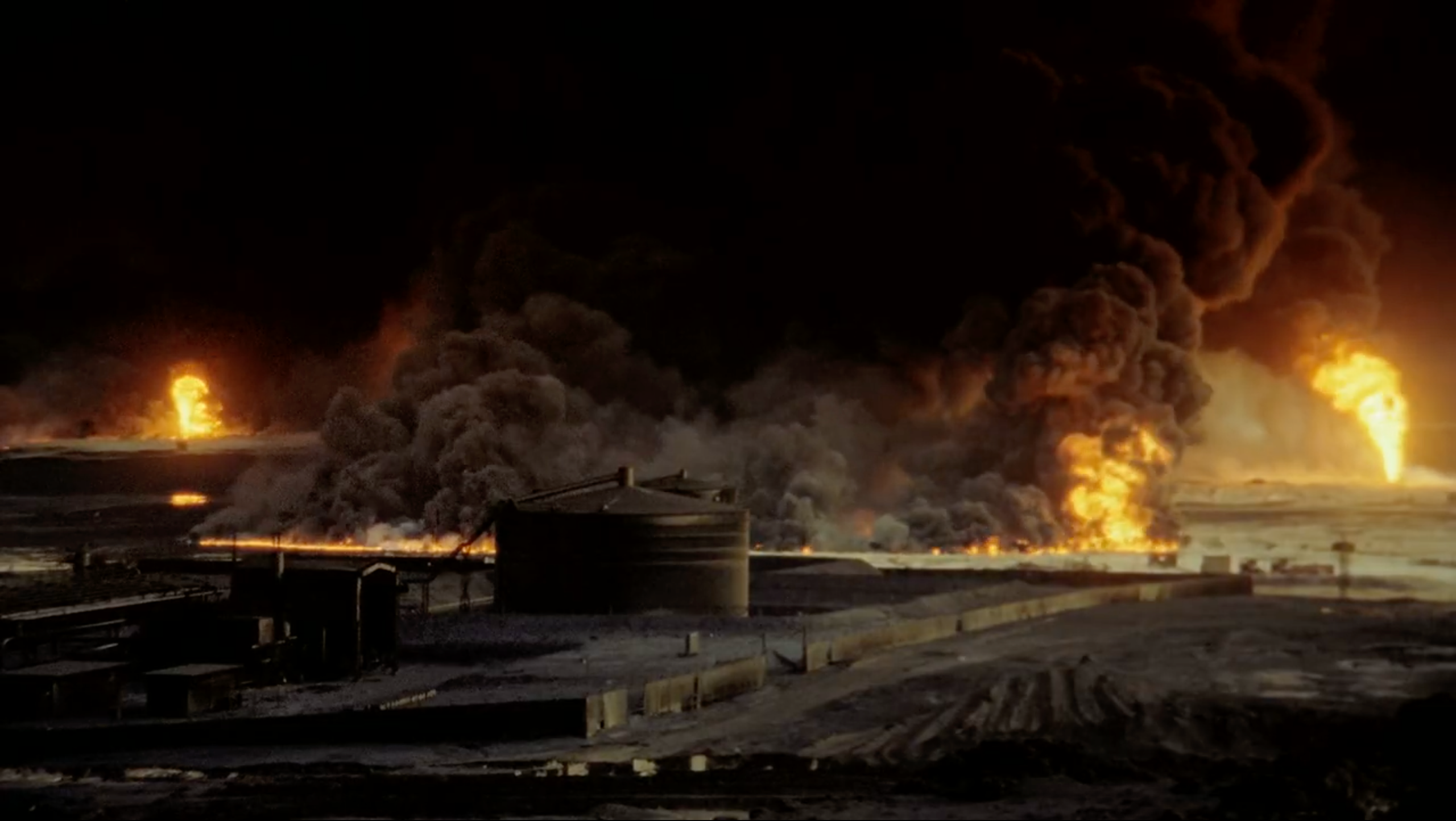
During its presentation at the 1992 Berlin Film Festival, Werner Herzog’s Lessons of Darkness, shot in Kuwait amid the oil wells left burning after the First Gulf War, sparked a fierce outcry from the audience in attendance. They accused the director of transforming a specific historical event into a highly aestheticized, sublime work of science fiction. Yet, contrary to this alleged incompatibility between spectacle and an eco-political sensitivity within images of burning oil, a deeper reflection on oil as a visual material, on the possibilities of its representation, and on war itself shines through. By reactivating the cinematic medium’s affinities with the ultimate elements of movement, Lessons of Darkness sublimates both events and matter into a field of inquiry regarding the limits of the gaze and the referential relationship between images and the world itself. In other words, when confronted with oil, the image rethinks itself through its interrelations with extracted matter, bodies, and the environment, placing the destructive event within a dimension of radical excess that elevates both the testimonial and aesthetic dimensions into a contemporary dialectic.
Ecologies of the Sublime: From Research to Experience — 6/07/26, 20h30 - 21h30, Académie du Climat, 75004 Paris
Assim Kalouaz
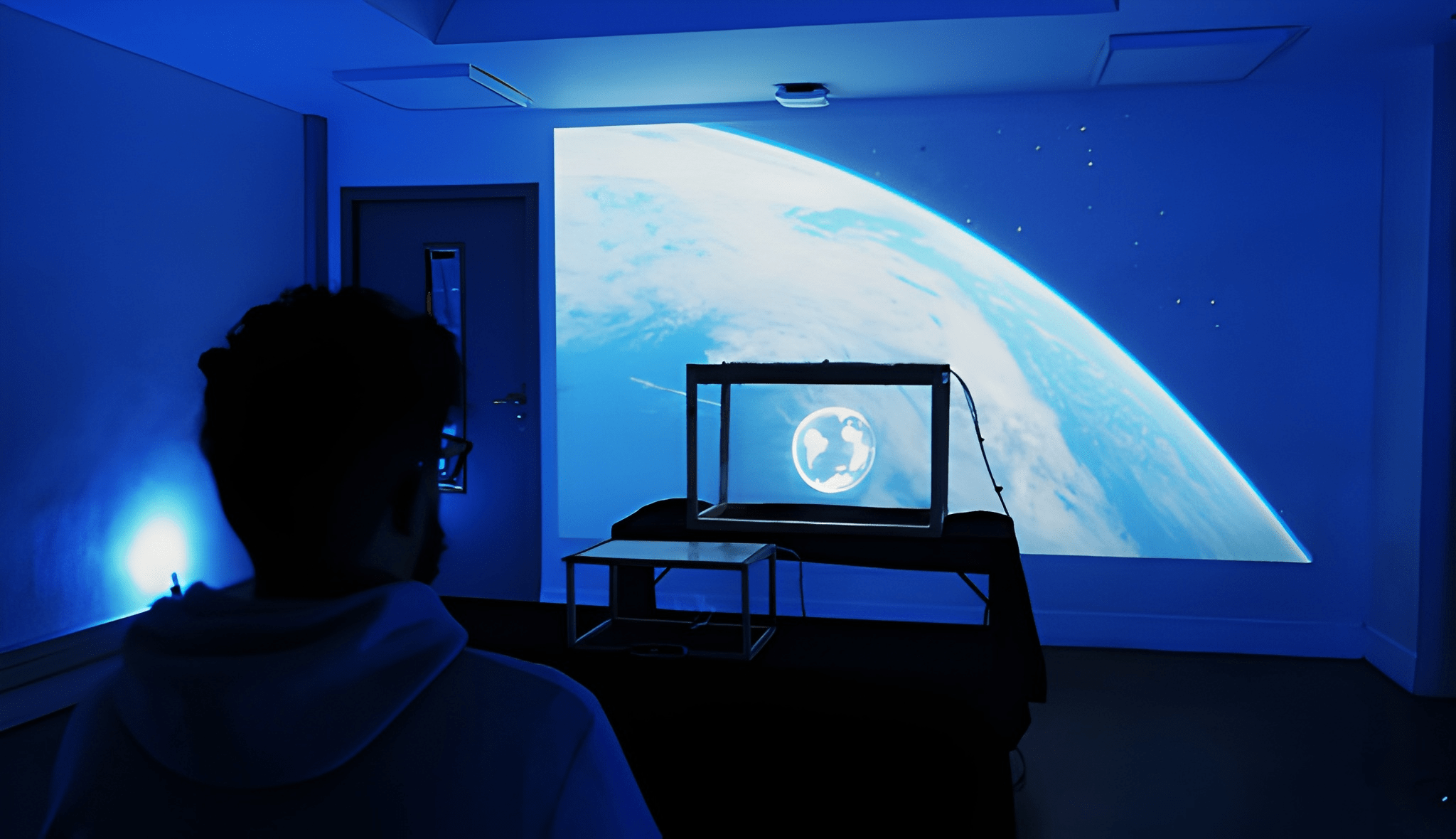
For both Burke and Kant, the sublime arises from our contact with that which exceeds us, where fascination mingles with dread. Contemporary psychology has seized upon this experience and unraveled its core mechanics : the feeling of vastness, the faltering of our points of reference when faced with what surpasses our expectations, and that ambivalence where beauty is never far from unease. Defining its cognitive, affective, or phenomenological components allows us to observe them and reframe this question : can we intentionally design experiences that evoke this emotion ? This is the objective of a research-creation approach, where what psychology knows about the sublime directly guides design choices. The goal is to translate abstract components, the feeling of vastness, the revision of our mental schemas, the body’s relationship to space, into a work’s design parameters, and to then let this work become, in turn, a field of study and an experimental tool. This flow between knowledge and creation opens up a common language, where aesthetic choices can be discussed, compared, and transmitted across disciplines that often describe the same phenomenon using different words.
Screenings of As long as clouds exist & Love and the sky on the spectrum — 8/07/26, 19h - 20h, Wilde - Le Lieu, 75004 Paris
Charlotte Mariel
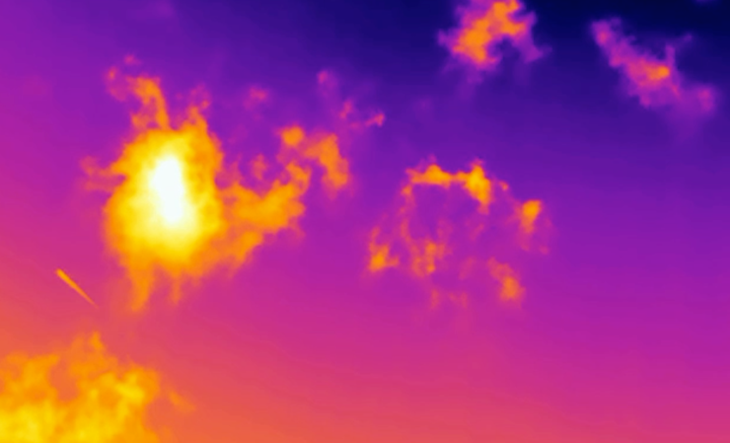
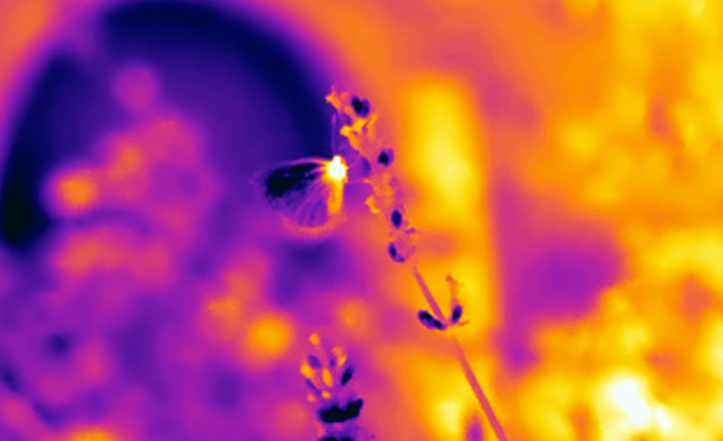
Charlotte Mariel will present and screen excerpts from her films As long as clouds exist (2026) and Love and sky on the spectrum (2026) to open the discussion on the use of infrared vision to imagine the alterity of sensibilities and lived experiences. Filming with a thermal camera was born from a sense of wonder upon discovering this tool : that of seeing the world differently, with a non-human vision. From this profound sensory shift emerged more philosophical questions about the thresholds and limits of human perception, about thermoception, as well as aesthetic questions regarding the technical, plastic, and figural possibilities offered by the thermal camera. From there, various gestures of observation, filming, and editing were carried out to account for the variability of the atmosphere, human weather-sensitivity, and the suffering of the biosphere in the midst of a heatwave... Observing clouds in the sky, insects, bodies, and water by day and by night, imagining the life of the living, that of non-living elements, and what we hold dear, highlights what does not separate us from the world and what connects us : forms, irregularities, porosity, unpredictability, varieties, complexity, dynamics, turbulence, infinity...
Musical performance : Sounding - de la ligne Kármán à zéro — 8/07/26, dès 21h, Wilde - Le Lieu, 75004 Paris
Filippo Fabbri
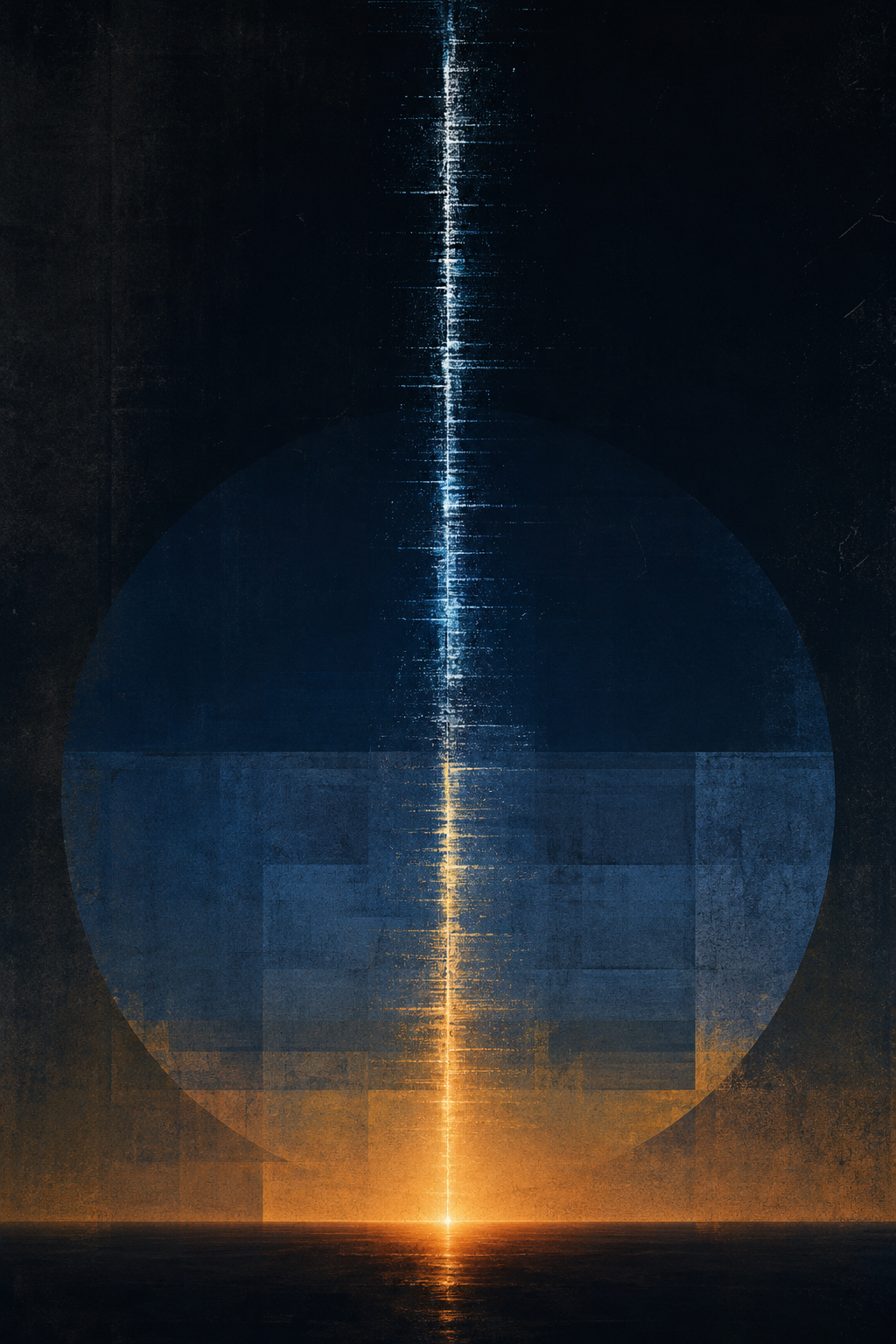
Sounding is a musical and sonic performance based on the vertical crossing of the Earth's atmosphere, from the Kármán line (100 km) – the conventional boundary of space – down to the ground. The physical properties of the different atmospheric layers, such as density, temperature, pressure, and sound propagation, become compositional materials that structure the musical work. Echoing the nine heavens described by Dante Alighieri in Paradiso, the piece proposes a vertical journey through the strata of the sky. In a context of climate upheaval, it invites us to listen to the atmosphere as a shared and vulnerable substance, whose transformations bear witness to the growing imprint of human activities on the sky itself.
Restitution of Stéréo-drama 1 – Il y a cent mètres entre mes deux oreilles — 11/07/26, dès 19h, Wilde - Le Lieu, 75004 Paris
Collective La Plaine
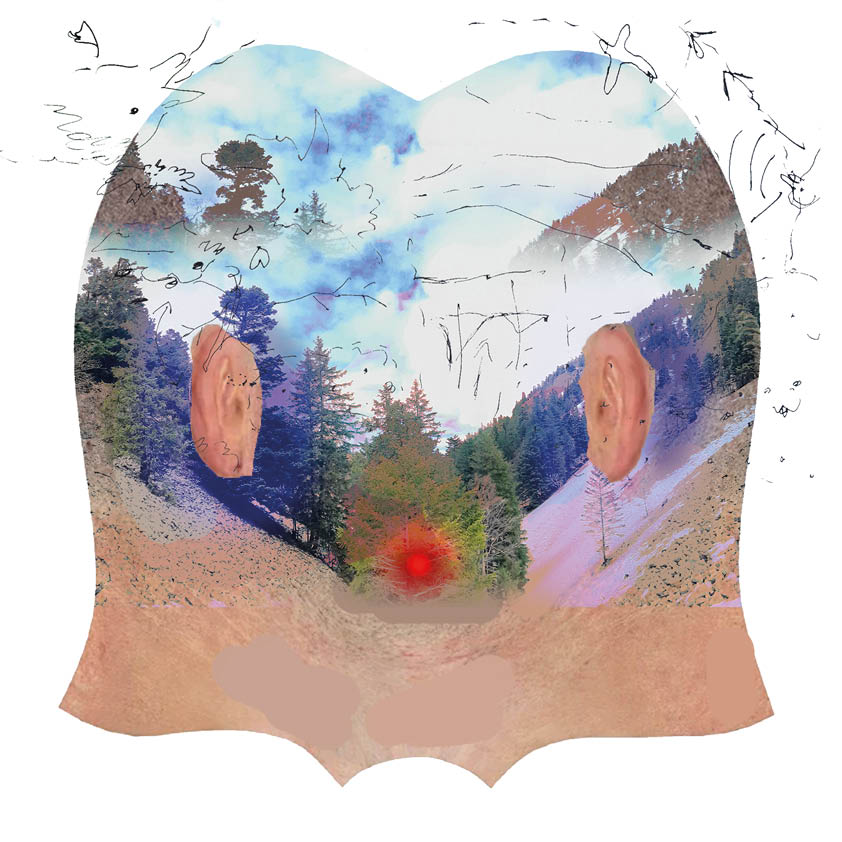
This presentation brings together the traces of a performative apparatus created during the Bien l'Bourgeon festival, organized by the Mix'Arts association, in July 2026 in Gresse-en-Vercors by the collective La Plaine. « During this festival, we recorded a forest using two microphones placed about a hundred meters apart, then played this recording back through headphones. The gesture is simple : to shift the standard of listening from the scale of the body to the scale of the landscape. In doing so, perception becomes impossible, and it is precisely this tensions that interest us. » Facing two panels, the participants translated what they heard on the front into movements of magnetized shapes, producing a scene on the back for the spectators. The videos gathered here show these superimposed readings of the same soundscape, each interpretation as a singular staging, a dramaturgy of the act of listening. Their accumulation forms a collective inquiry: can we distinguish patterns, shared ways of translating a soundscape? Through this apparatus, La Plaine seeks to create the conditions for attentive listening to an environment, to give shape to the interpretations it sparks, and to archive them as so many traces of a collective and sensory knowledge.
Ateliers à l'Académie du Climat - sur inscriptions
In resonance with the itinerary of the exhibition Upon a receding sky, a series of workshops is offered. These gathering times are designed as collaborative moments where the public is invited to manipulate, observe, and create. The workshops offer a unique opportunity to engage with the exhibition's questions through collective experimentation.
Monday, July 6| 17h - 19h : Gestures of the living, with Mùden Water
Tuesday, July 7
10h - 13h : Cyanometer, with Lucy Winkelmann
15h - 17h : Observing, transposing the forms of the living - flowers and pollens, with Béatrice Albert & Nadia de Bernardi
17h - 19h : Affective contaminations – Gesomin experience, with Marie Truffier
I register for the workshops !
Gestures of the living — 6/07/26, 17h - 19h
Mùden Water
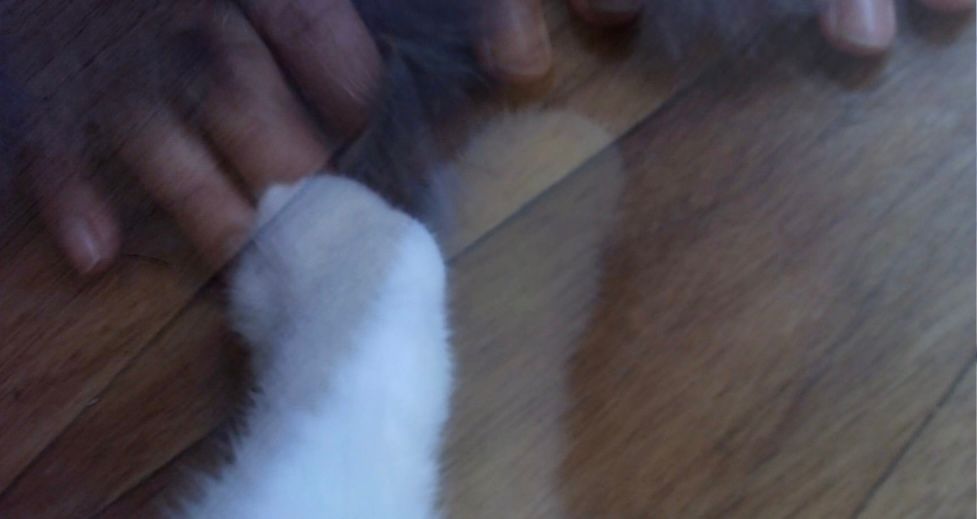
This workshop led by Mùden Water invites us to rethink our relationship with animals in urban environments and the artistic gestures used to interact with the living world. By questioning how our culture and habits shape our perceptions, we will explore the gaze, posture, movement, and voice. Come share your stories of the living world, animal or vegetable, your sensations, or your desire to create bodily interactions with your environments. This collective artistic experimentation cultivates a spirit of solidarity and ecology, creating a resonance with the living world – between fragility and power – that echoes contemporary issues.
Cyanomètre — 7/07/26, 10h - 13h
Lucy Winkelmann
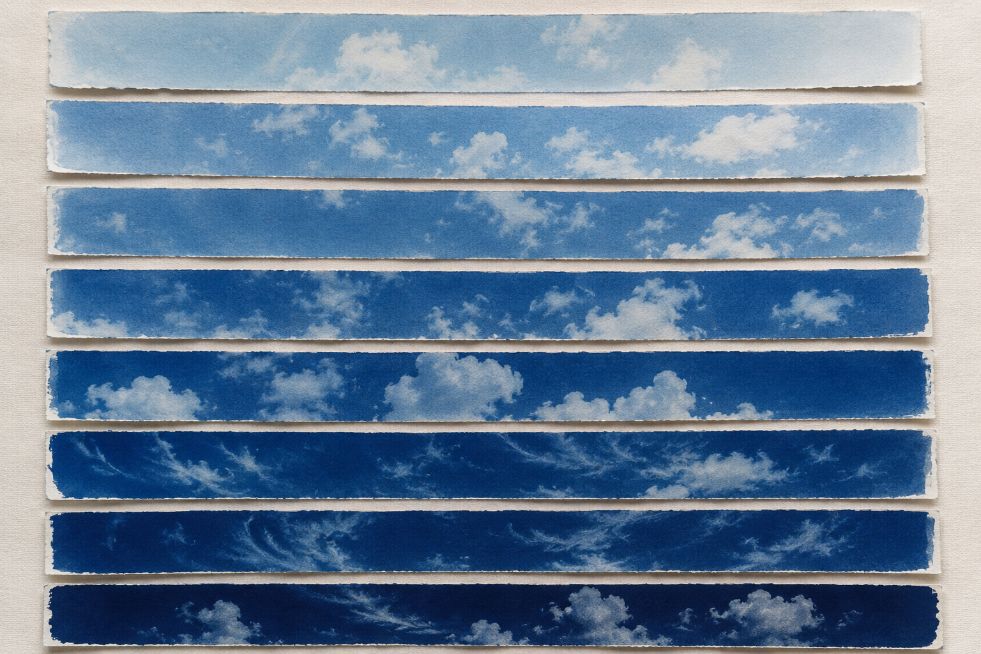
This workshop led by Lucy Winkelmann offers an introduction to the cyanotype, an antique photographic process with deep blue nuances. Working from images of « sky matter », participants will experiment with different exposure times to create their own scale of blues, inspired by the cyanometer. The workshop will also provide an opportunity to discover a brief history of photography and the research of John Herschel. Each participant will leave with their own « sky pantone » and a collective artwork may be created during the workshop.
Observing, transposing forms of the living - Flowers and pollens — 7/07/26, 15h - 16h Puis 16h - 17h
Béatrice Albert & Nadia de Bernardi
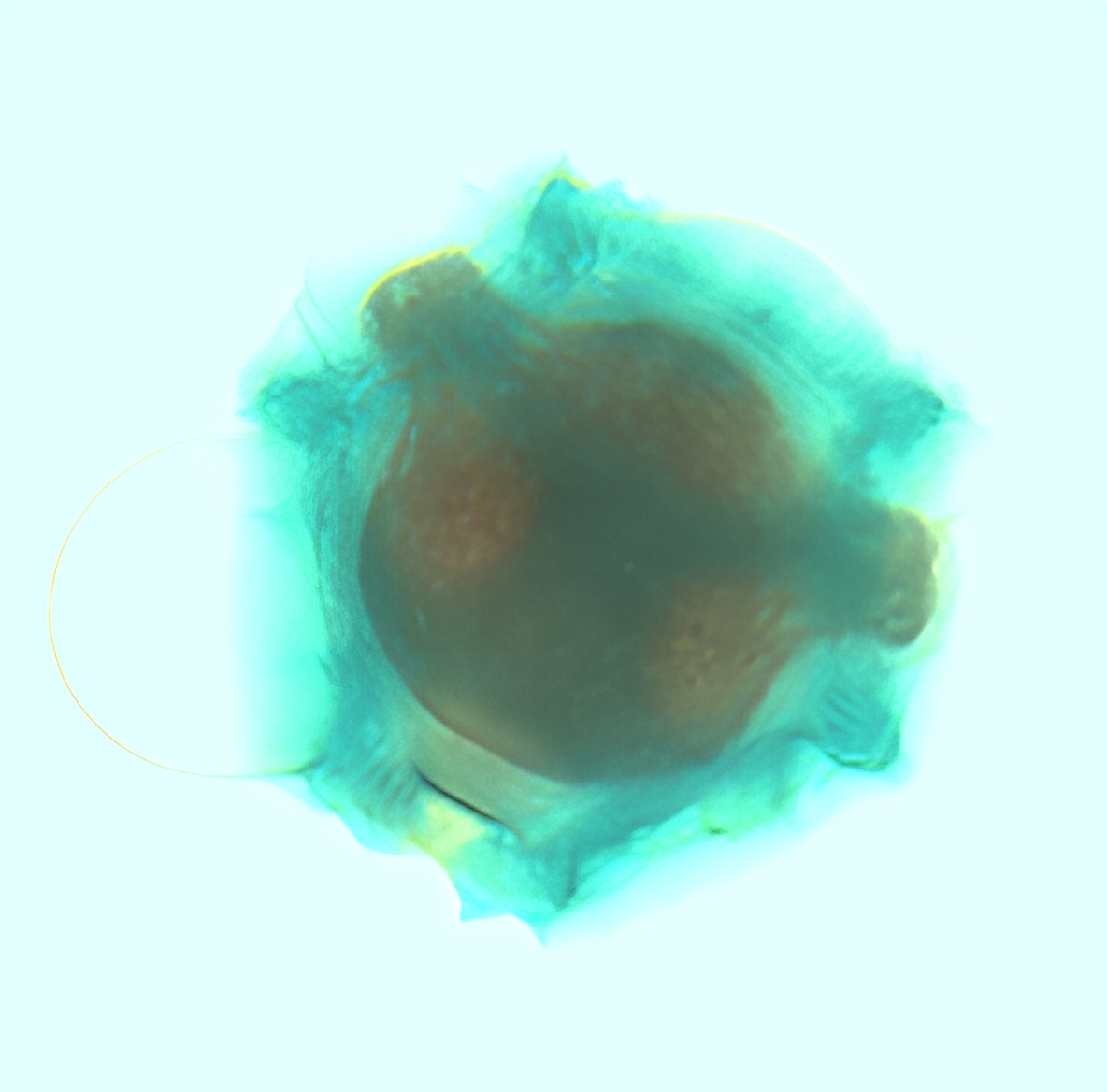
Workshops exploring the diversity of floral structures and pollens. Binocular magnifiers and microscopes will allow participants to explore this surprising and fascinating diversity. Everyone can enter this world at their own pace, following their own curiosity, and discuss the observed structures and their artistic transposition.
Affective contaminations - Geosmin Experience — 7/07/26, 17h - 19h
Marie Truffier
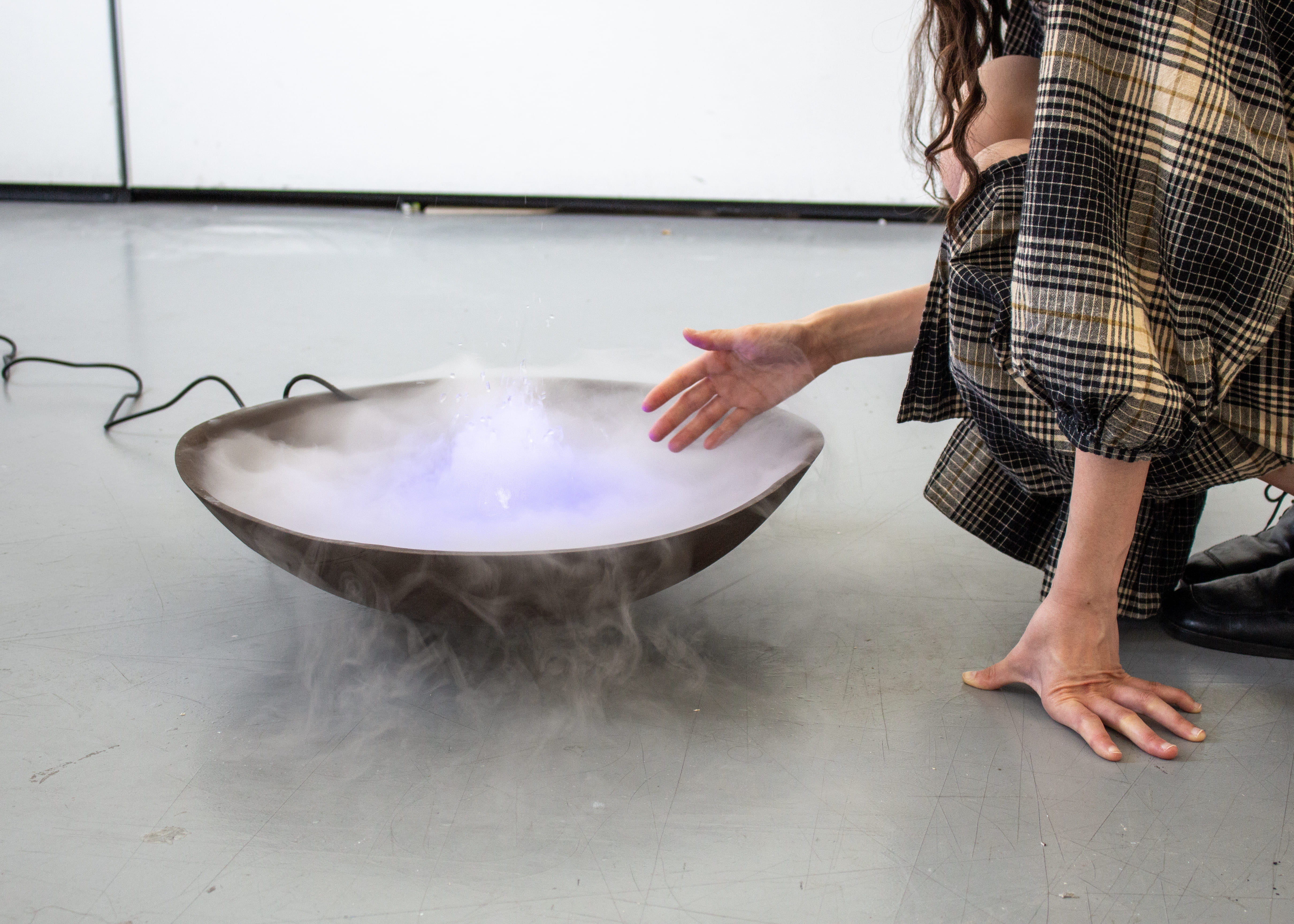
Geosmin is a molecule produced by bacteria of the genus Streptomyces. It is responsible for the characteristic scent of soil after rain. Working with this molecule, the Geosmin Experience questions the relationships between perception, affects, and microbial imaginaries. The apparatus brings face-to-face different forms of representation of the same biological reality : image and scent. It explores how these mediums influence our relationship with microbes. While visual representations of bacteria are often associated with imaginaries of threat or contamination, the smell of geosmin frequently evokes the forest, humus, rain, or personal memories. The exact same microbial entity can thus evoke radically different affects depending on the forms through which it is encountered. Conceived as an experimental workshop and a research-creation protocol, it is part of the PhD project Affective Contaminations. It proposes to explore how sensory experiences can contribute to transforming the imaginaries associated with microbes, opening a space of flow between hostility and hospitality.
Guest speakers, artists & scientists
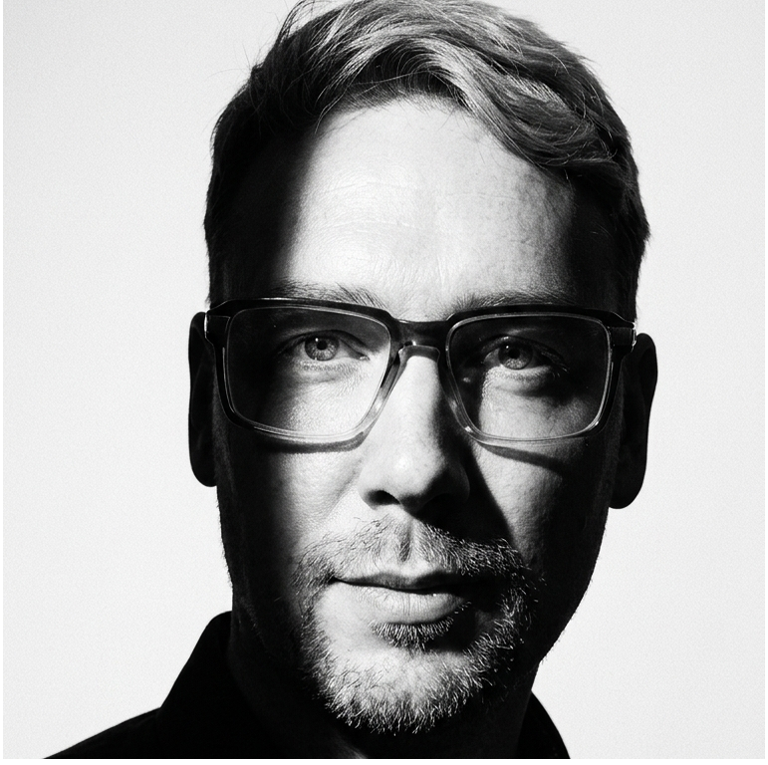
Sami Korhonen
Sami Korhonen is a fashion designer and multimedia artist born in Helsinki and based in Paris. Trained in fashion design in Brazil and theater in Finland, he works at the intersection of custom tailoring, costume design for theater and dance, and visual arts. His works have been exhibited internationally, notably at the Carrousel du Louvre in Paris, and his collections have been presented in London.

Marie Truffier
Marie Truffier is an artist, designer, and tenured professor of design (agrégée de design). A 2023 graduate of the École des Arts Décoratifs (PSL) and trained at the ENS Paris-Saclay as a normalienne, she joined the EnsadLab-PSL laboratory in 2024. Since 2020, she has been developing a research-creation body of work centered on the imaginaries associated with microbes. Through the design of multisensory artistic apparatuses, her PhD project, Affective Contaminations, seeks to question the role of affective experience in the perception of microbial dynamics. Alongside her research, she co-founded the collective La Plaine, a space of fictions where visual artists and researchers collaborate on the creation of performances blending text, image, scenery, and sound production.
.jpg)
Charles Ménard
Charles Menard is a French-Swiss visual artist and doctoral candidate. His work explores our different regimes of sensitivity to the Anthropocene through various audiovisual disciplines, including analog film, digital art, photography, and LiDAR scanning. He is the co-founder of L'Observatoire de la fiction, an association whose mission is to study representations of ecology in fictional works.

Béatrice Albert
A professor and researcher at Université Paris-Saclay as well as a ceramic artist, Béatrice Albert explores the genesis of living forms and their transformations.

Nadia de Bernardi
A designer within Parisian and international style bureaus for many years, Nadia de Bernardi continues her creative journey through the practice of ceramics.

Mariejulie Bourgeois
Digital artist, designer, doctor in Aesthetics, Science and Technology of the Arts, and educator. Born in Paris in 1981, she lives in Cachan and works in Saclay. In 2008, she completed the New Media Master's degree at ENSCI, where she initiated research utilizing digital technologies. She then joined the EnsadLab research cycle on Relational Devices and Interactive Installations in 2009. In 2018, she defended a PhD in Aesthetics, sciences and technologies of the arts on « Solar Fictions : devices that simulate the behaviors of sunlight » at Université Paris 8. She has been teaching at Université Paris-Saclay since 2013 and at the ENS since 2022.
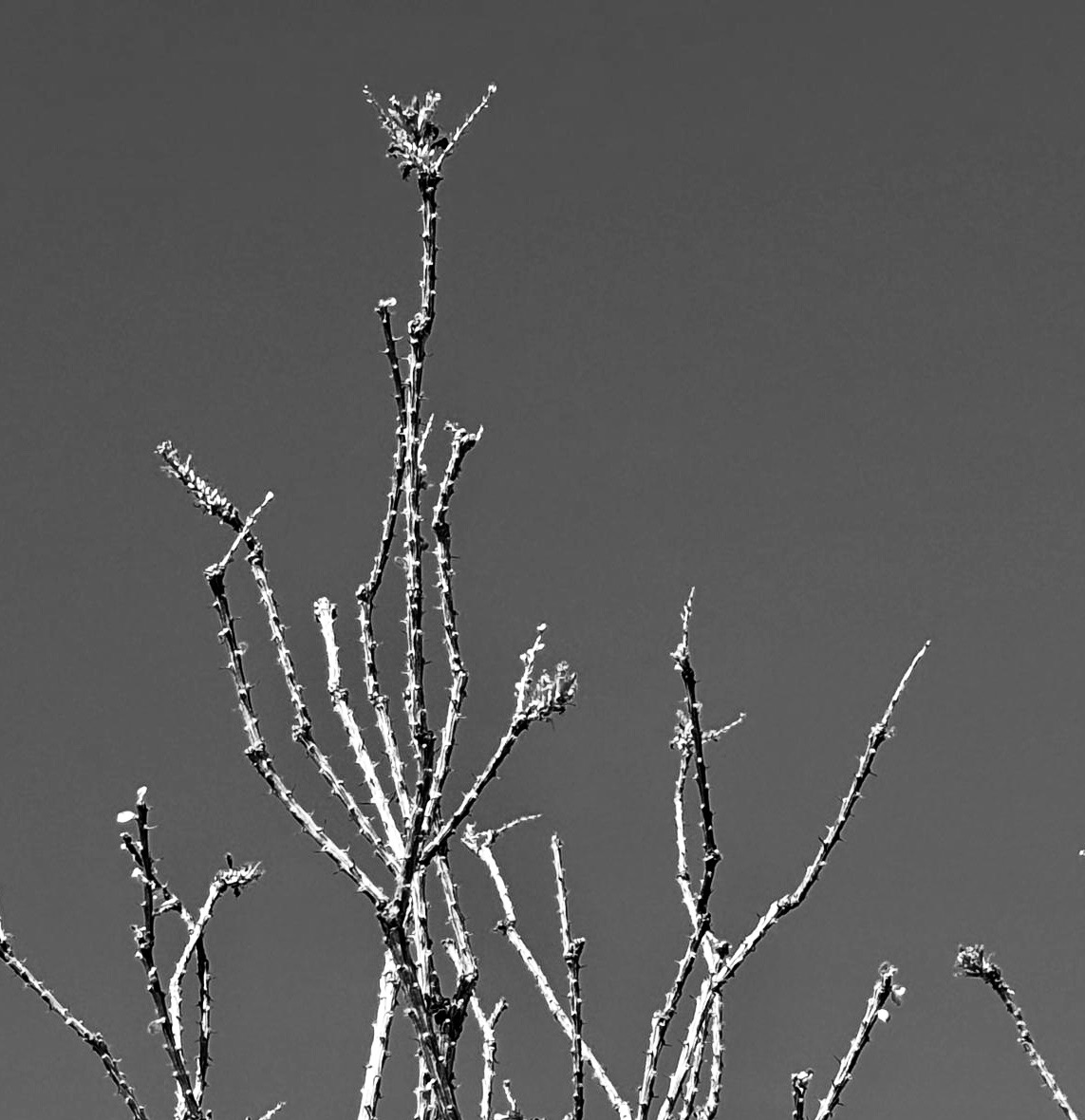
Élise Morin
Élise Morin develops an interdisciplinary research-creation practice at the interface of art, science, and territories. Her projects rely on experimental apparatuses and transdisciplinary collaborations to question regimes of visibility, modes of coexistence, and the place of aesthetics in the production of situated knowledges. Trained in Paris, London, and Tokyo, she lives and works in Paris.

Tim Schneider
Tim Schneider was trained in high-energy physics and holds a PhD in radiotherapy and hadrontherapy. Having transitioned into the art-science field, his research at Université Paris-Saclay is now centered on immersive installations in open spaces and the study of new approaches for tracking systems of people and movements. In addition, he is a member of the collective Le sas, where he primarily works on the creation and development of interactive digital art pieces and experiences.
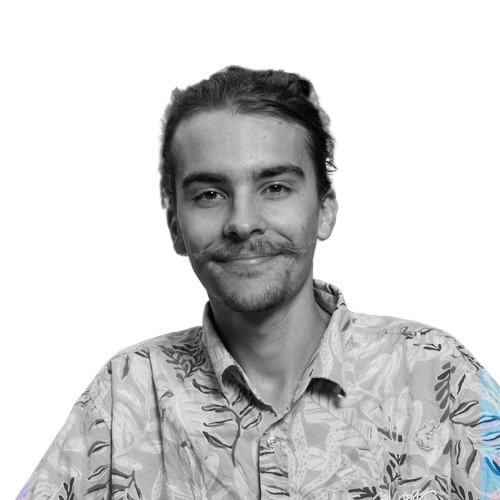
Zéphir Lorne
Zéphir Lorne is a Cognitive Science student (MSc) at the ENS-PSL. As a coder and videographer, he explores the links between disciplines, sciences and arts, to bring peace to this world. He seeks to observe how technology can contribute to this goal in order to assess its influence on psychological and physiological indicators such as attention/awareness, the regulation of emotions and affective states, relaxation, and bodily grounding.
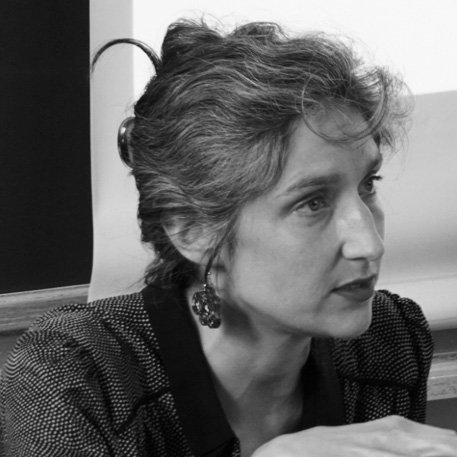
Charlotte Mariel
Charlotte Mariel holds a PhD in Arts from the LISAA Laboratory (Literature, Knowledges and Arts, Université Gustave Eiffel) and is a tenured Professor of Visual Arts at the Université Paris-Est Créteil, where she teaches aesthetics and art history in connection with environmental issues, communication, and creative practices. She is a member of the associations Non-conférence and TRAS (Transversale des Réseaux Arts Sciences), and a co-organizer of art and science events and initiatives. At the confluence of art theories, sociology, philosophy, and information and communication sciences, her research focuses on the representations of fluids, such as air, water, blood, electricity, oil, and shale gas. Through the prism of transdisciplinary issues related to socio-ecosystems, her work questions artistic apparatuses, research-creation methods and practices, as well as notions of popularization, mediation, and awareness-raising.
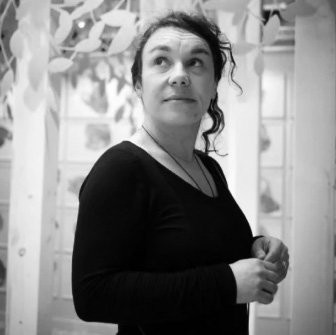
Julie Sicault Maillé
A graduate of the École du Louvre and in political science, Julie Sicault Maillé began her professional career in cultural mediation and audience public policies. Enriched by this proximity to audiences, she turned toward exhibition curating. Not viewing herself as an exhibition « author », she approaches her reflection on exhibition design in the same way she approaches mediation, namely by implementing a form of maieutics. As an exhibition curator, she accompanies creators (including visual artists, architects, designers, and landscape architects) in developing their reflections and creating their works. Her preferred subjects are questions of landscape and public space, ecology, and living together. Julie Sicault Maillé is head of exhibitions at the Domaine départemental de Chamarande and director of the FDAC collection (Fonds départemental d’art contemporain) of Essonne.
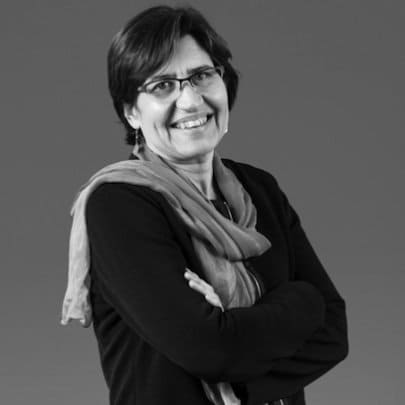
Valérie Masson Delmotte
Valérie Masson Delmotte is a CEA researcher at the Laboratory of Climate and Environmental Sciences at Paris Saclay, which is part of the Institut Pierre Simon Laplace. From 2015 to 2023, she served as co-chair of the IPCC working group focusing on the physical science basis of climate change, and co-supervised several reports assessing the state of knowledge regarding climate change. Since 2018, she has also been a member of the High Council for the Climate, responsible for evaluating public policies concerning greenhouse gas emissions reduction and adaptation to climate change, and formulating recommendations. She is also deeply invested in sharing knowledge related to climate change.
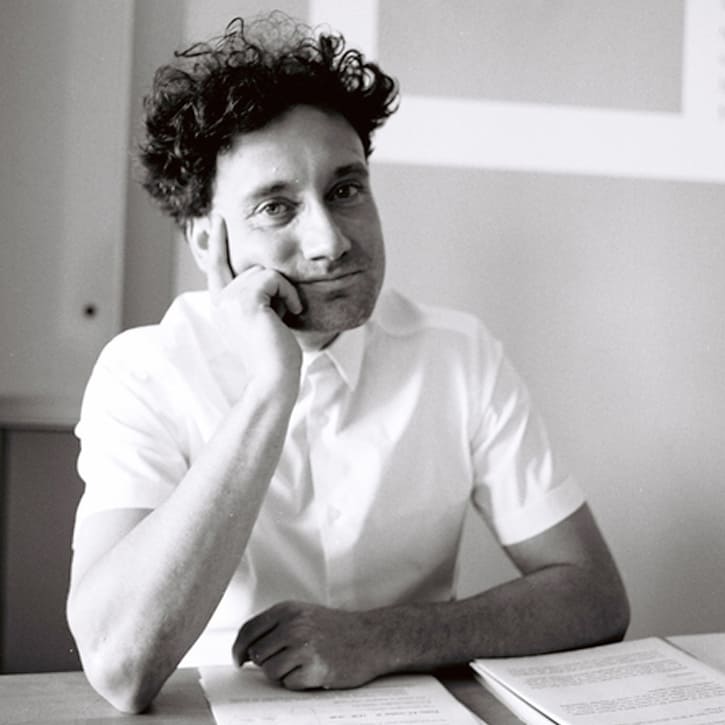
Jens Hauser
Jens Hauser is a media studies researcher and art curator based in Paris and Copenhagen. He focuses on the interactions between art and technology, trans-genre studies, and the aesthetics of the hybrid. He is currently a researcher at the University of Copenhagen (Medical Museion), holding a dual post-doctoral position in the Faculty of Humanities and the Faculty of Health and Medical Sciences. He coordinates the (OU)VERT network for Greenness Studies. He is also a senior post-doctoral fellow at the Medical University of Vienna, an honorary affiliated faculty member in the Department of Art, Art History and Design at Michigan State University, where he co-directs the BRIDGE artist-in-residence program. Jens Hauser is also an affiliated faculty member in the Department for Image Science at Danube University Krems, a guest lecturer at the University of Applied Arts Vienna, the University of Innsbruck, Université Panthéon Sorbonne, and an affiliated researcher at the École Polytechnique of Paris Saclay. He served as Chair of the European Society for Literature, Science and the Arts in 2018. Additionally, he has been a key collaborator with the European culture channel ARTE since 1992, producing numerous reports for German and French public radio stations and publishing a wide variety of essays.
Sabrina Calvo
Sabrina Calvo is a writer, visual artist, game designer, illustrator, and screenwriter. She is the author of a dozen novels and short stories, including her first novel published in 1997, Délius une chanson d'été, as well as Wonderful (2001, winner of the 2002 Julia-Verlanger Award for best novel), Sous la colline (2015, winner of the 2016 Bob-Morane Award for best novel) in which she addresses trans identity, and Toxoplasma (2015, winner of the 2018 Grand prix de l'Imaginaire and the 2018 Rosny Aîné Award). Her latest book, released in 2025, is the collection of prose poems Mais cette vie-là demande. toujours. plus. de. lumière. published by Éditions du Commun.
Olivier Renouf
After studying visual arts, Olivier Renouf entered the Centre National de Danse Contemporaine d’Angers as a performer. In 2000, he co-founded the dance company L’Yeuse with choreographer and dancer Erika Zueneli. He structures his research around a specific relationship to matter and nature, particularly through the use of poor or recycled materials that become a support for the imagination and allow for the development of interconnected scenographic and choreographic worlds. Since 2008, he has worked primarily with sticks, rubble bags, and earth. Holding a state diploma, he teaches regularly through workshops, classes, and sessions for amateurs or audiences far removed from the art world, as well as within school environments from primary school to high school. His practice is influenced by martial arts and qi-gong.
Giovanni Perolo
With a background in literature, documentary film, and visual arts, Giovanni Perolo’s path has been shaped by the interplay between the theory and practice of the image. Since 2023, he has been a PhD student in visual culture at the University of Milan and the IUAV University of Venice. In 2025, he completed a doctoral research stay at the Institut de recherche sur le cinéma et l’audiovisuel of the Université Sorbonne Nouvelle in Paris. Giovanni’s research focuses on the aesthetic, political, and technological links between visual culture and ecological thought through the study of oil as a visual material.
Assim Kalouaz
Assim Kalouaz est is a doctoral candidate at University College Dublin (UCD) in psychology and is a digital artist. His research focuses on wonder as an emotional experience, how it is constructed, and how it can take the form of an interactive experience. His artistic practice thus focuses on creating interactive installations based on scientific foundations and filled with wonder. His interests are diverse, including helping science break out of academic papers through public engagement, measuring the impact of art, science, and technology on the well-being of artists and audiences through experimentation, connecting experimental research to artistic creation, and rethinking digital art practices to give them a dimension that supports mental health.
Filippo Fabbri
Filippo Fabbri, an associate professor at Université Paris-Saclay since 2010, is an engineer, physicist, pianist, and composer. His research lies at the intersections of nanosciences and sound art, with a particular interest in smart materials, adaptive acoustics, and immersive technologies. He designs sonic universes for cinema, theater, and art installations, exploring the relationship between sound, space, and perception. In parallel, he directs professional training programs in sound and image techniques and founded the « STAR » studio at the IUT of Cachan. His creations, presented both in France and abroad, reflect an innovative approach that blends science and art.
Collectif La Plaine
The association La Plaine is a collective of visual artists and researchers that develops a practice at the crossroads of performance, landscape, and narrative. Using methodologies derived from science, art, and design, they conduct field investigations from which they design site-specific apparatuses and performances that question the conditions of perception, narration, and attention to environments. Founded in 2024, the collective brings together Daniel Cadot (PhD candidate in design and ecoacoustics, MNHN), Virgile Malarewicz (PhD in geosciences, Nantes Université), Juliette Mirabito (head of programming, Frac Lorraine), Diane Reynier (artist and scenographer), and Marie Truffier (pre-doctoral fellow at EnsadLab and artist-designer).
Mùden Water
Mùden Water is a visual artist and researcher, and a resident member of the Non-Étoile collective. She is completing a research-creation PhD at the Université Paris 1 Panthéon-Sorbonne, titled Interspecific Whispers in Urban Environments: Inquiry and Artistic Explorations to Repair Our Relationship with the Living World.
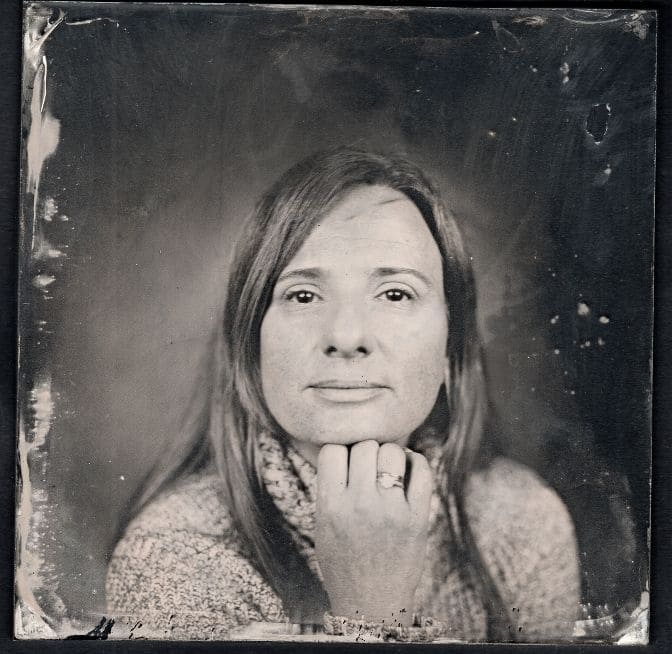
Lucy Winkelmann
Lucy Winkelmann is a photographic artist whose work explores the connections between memory, transmission, and photographic experimentation. Through historical and alternative processes, such as wet plate collodion, cyanotype, ambrotype, tintype, or embroidered photography, she blends photography, textiles, and archives to create sensitive works bridging documentary and visual poetry. Her projects are often inspired by travels, individual stories, and forgotten heritages, questioning the trace, absence, and collective memory.